- contact@so-horse-alliances.com
- +33 6 44 72 37 85


Udrpsearch
Ajouter un commentaire SuivreVue d'ensemble
-
Fondée Date 10 juin 1948
-
Les secteurs Equipements / Services
-
Offres D'Emploi 0
-
Vu 82
Description De L'Entreprise
Talking Without Boundaries: Do AI Translation Earbuds Really Work?
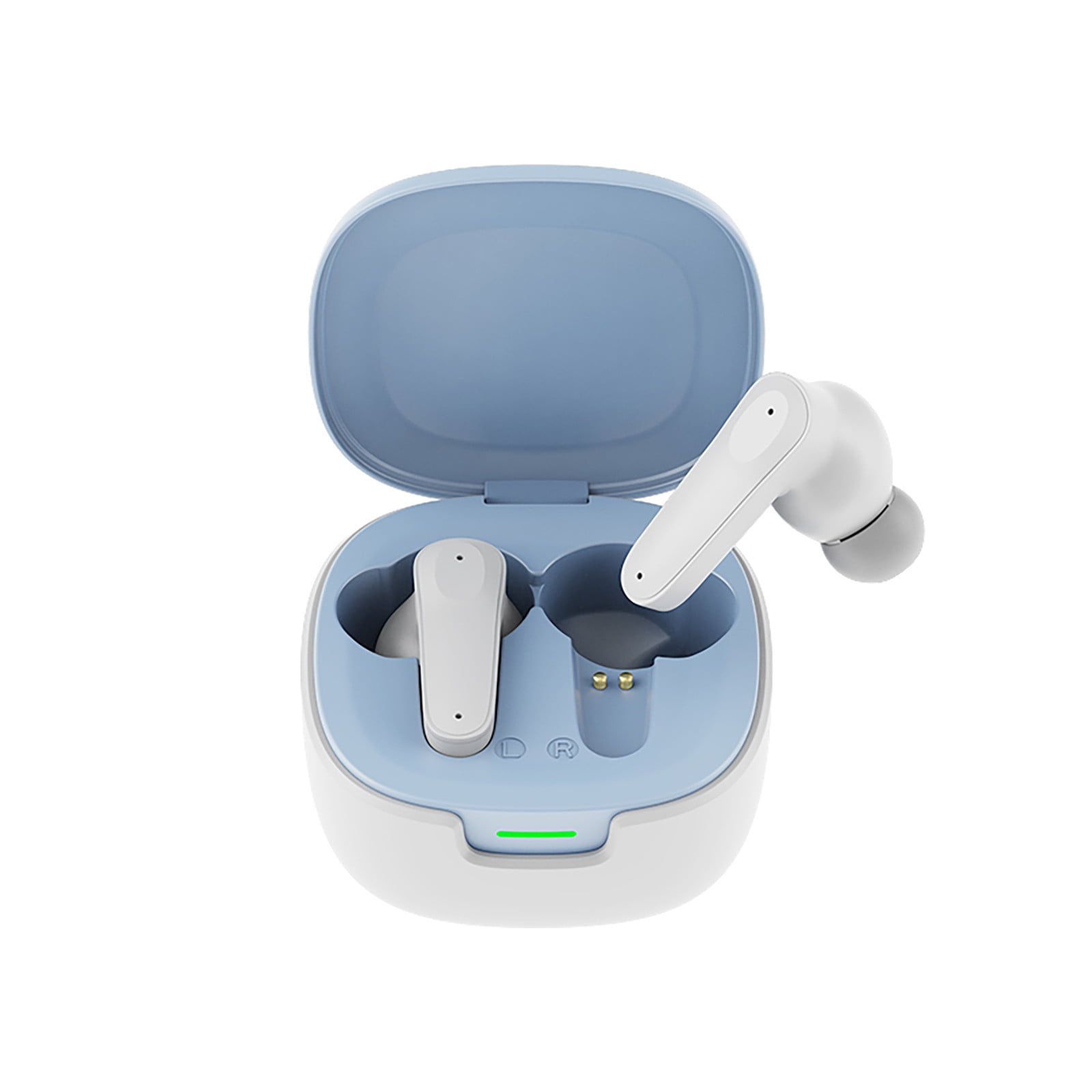 Here is a blog submit primarily based on the topic of AI translation earbuds.
 Image this: You are standing in a bustling night time market in Taipei. The odor of stinky tofu fills the air, and you need to order a particular dish. You know exactly what you want, but the language barrier hits you want a wall. You pull out your cellphone, open an app, type slowly, watch for the translation, after which show the display to the vendor.
It really works, however it’s clunky. It kills the circulate of the dialog.
Enter the « good » solution: AI Translation Earbuds.
Companies like Timekettle, Google (with Pixel Buds), and even traditional audio giants are pitching these devices as the top of language barriers. The promise is seductive—real-time, two-means translation streamed directly into your ears, wanting as pure as a chat with a good friend.
However do these futuristic gadgets actually ship on their science-fiction promises? Or are they simply an costly gimmick? I dove into the tech, the specs, and the user experiences to seek out out.
How Do They actually Work?
Earlier than we choose them, we’ve got to understand the mechanism. Not like normal earbuds designed for music, translation earbuds depend on a « Three-Step Loop »:
- Input: Your microphone picks up the overseas language.
- Processing: The audio is distributed to a cloud-based AI engine (or generally processed domestically) the place it’s transcribed, translated, and synthesized into a brand new voice.
- Output: The translated audio performs in your ear (or the listener’s ear).
Some units, like the Timekettle WT2 Edge, use a « Simultaneous Mode » the place you wear earbuds and your associate wears the other pair. You converse, they hear the translation in actual-time. Others are « handheld » fashion, where you speak into a device or your phone, and the earbuds ship the translation to your ear.
The good: After they Shine
When the know-how works, it feels like magic.
1. Breaking Down Itineraries
For the typical vacationer, these earbuds are a game-changer. Asking for directions, checking into a lodge, or ordering food are structured interactions. The AI has a strong context for what’s being stated, leading to excessive accuracy. Users report that for primary survival travel (A1/A2 language levels), these gadgets are extremely helpful.
2. The « Move » Issue
The biggest benefit over phone apps is immersion. As a result of the translation is spoken immediately into your ear, you maintain eye contact. You aren’t staring at a display; you are looking on the particular person. This refined shift adjustments the dynamic from a transaction to a dialog.
3. Voice Variety and Privacy
Unlike robotic textual content-to-speech from 5 years ago, trendy AI voices (powered by engines like Google Translate or DeepL) sound surprisingly human. Moreover, as a result of the audio performs immediately into your ear, your conversation stays non-public. Nobody else in the airport lounge needs to know your financial institution stability or your dietary restrictions.
The Bad: The truth Verify
In case you are expecting a common translator from Star Trek, prepare for disappointment. Here is where the tech struggles.
1. The « Internet in the Sky » Problem
Most high-quality translation earbuds depend on cloud processing. This implies if you are deep in a subway system, a distant hiking path, or a rustic with restricted internet access (like China, mejores auriculares traductores the place many Western apps are blocked), your earbuds turn into costly paperweights.
2. The Pace Bump
Real-time translation isn’t truly real-time. There is a latency of 1 to three seconds. Whereas brief, this delay can disrupt the natural rhythm of a conversation. You may interrupt one another, or the flow would possibly really feel stilted. It’s effective for asking questions, but terrible for fast-paced banter.
3. Context and Nuance
AI is nice at literal translation. It’s terrible at subtext.
- Sarcasm: It’ll probably translate a sarcastic remark as a critical statement.
- Idioms: If you say, « It’s raining cats and dogs, » the AI may translate it actually, confusing the listener, as an alternative of translating the that means (« It’s pouring rain »).
- Cultural Formality: Japanese and Korean, for instance, have complex ranges of formality. AI usually struggles to select the right degree of politeness (Keigo/Honorifics) based mostly on the situation.
4. The Background Noise
Earbuds are notoriously dangerous at isolating voices in loud environments. In a crowded market or a noisy bar, the microphone might choose up background chatter, leading to garbled or inaccurate translations.
The Verdict: Who Ought to Buy Them?
So, do they work? Yes, however with heavy caveats.
They aren’t a substitute for human language learning, nor are they dependable for top-stakes situations (authorized, medical, or professional negotiations). Nevertheless, they are a robust software for a particular demographic.
Buy them if:
- You’re a frequent traveler: Should you hop between nations often, the convenience outweighs the lag.
- You’re a digital nomad: Counting on them for simple daily duties (grocery procuring, gym test-ins) is a breeze.
- You worth connection: You need to bridge the hole without being glued to your cellphone screen.
Skip them if:
- You want precision: In case you are translating complicated contracts or medical phrases, keep on with skilled human translators.
- You journey off-grid: When you plan on backpacking in remote areas without information, they won’t help you.
- You have got the most recent smartphone: Typically, a fashionable smartphone with a dedicated translation app (like Google Translate or Apple’s dialog mode) is simply as quick and prices much less.
The long run is Listening
AI translation earbuds are within the « Early Adopter » section. They are not perfect, and the lag could be annoying. However considering where we had been simply five years ago—furiously typing on tiny keyboards—these units signify a large leap forward.
As AI fashions develop into quicker and more capable of understanding context, and as more processing strikes directly onto the earbuds themselves (lowering web dependency), we are inching closer to that Star Trek dream.
Till then, they are a really useful travel companion—just don’t anticipate them to jot down poetry for you.
Have you tried translation earbuds in your travels? Did they prevent from a awkward moment, or did they get misplaced in translation? Let us know in the feedback beneath!