- contact@so-horse-alliances.com
- +33 6 44 72 37 85


Hnycareershub
Ajouter un commentaire SuivreVue d'ensemble
-
Fondée Date 27 septembre 1935
-
Les secteurs Spectacles
-
Offres D'Emploi 0
-
Vu 575
Description De L'Entreprise
NHS: Belonging in White Corridors
Among the organized chaos of medical professionals in Birmingham, a young man named James Stokes carries himself with the measured poise of someone who has found his place. His oxford shoes whisper against the floor as he acknowledges colleagues—some by name, others with the familiar currency of a « good morning. »
James wears his NHS lanyard not merely as an employee badge but as a symbol of belonging. It hangs against a neatly presented outfit that gives no indication of the difficult path that preceded his arrival.
What separates James from many of his colleagues is not visible on the surface. His presence gives away nothing of the fact that he was among the first recruits of the NHS Universal Family Programme—an initiative designed specifically for young people who have experienced life in local authority care.
« It felt like the NHS was putting its arm around me, » James says, his voice steady but revealing subtle passion. His remark summarizes the heart of a programme that seeks to revolutionize how the massive healthcare system approaches care leavers—those frequently marginalized young people aged 16-25 who have transitioned from the care system.
The numbers paint a stark picture. Care leavers commonly experience higher rates of mental health issues, money troubles, accommodation difficulties, and diminished educational achievements compared to their peers. Beneath these impersonal figures are individual journeys of young people who have traversed a system that, despite good efforts, regularly misses the mark in providing the stable base that shapes most young lives.
The NHS Universal Family Programme, established in January 2023 following NHS England’s promise to the Care Leaver Covenant, represents a significant change in organizational perspective. Fundamentally, it recognizes that the complete state and civil society should function as a « universal family » for those who haven’t known the constancy of a conventional home.
Ten pathfinder integrated care boards across England have charted the course, developing structures that rethink how the NHS—one of Europe’s largest employers—can extend opportunities to care leavers.
The Programme is thorough in its methodology, initiating with thorough assessments of existing practices, creating oversight mechanisms, and securing executive backing. It understands that meaningful participation requires more than lofty goals—it demands practical measures.
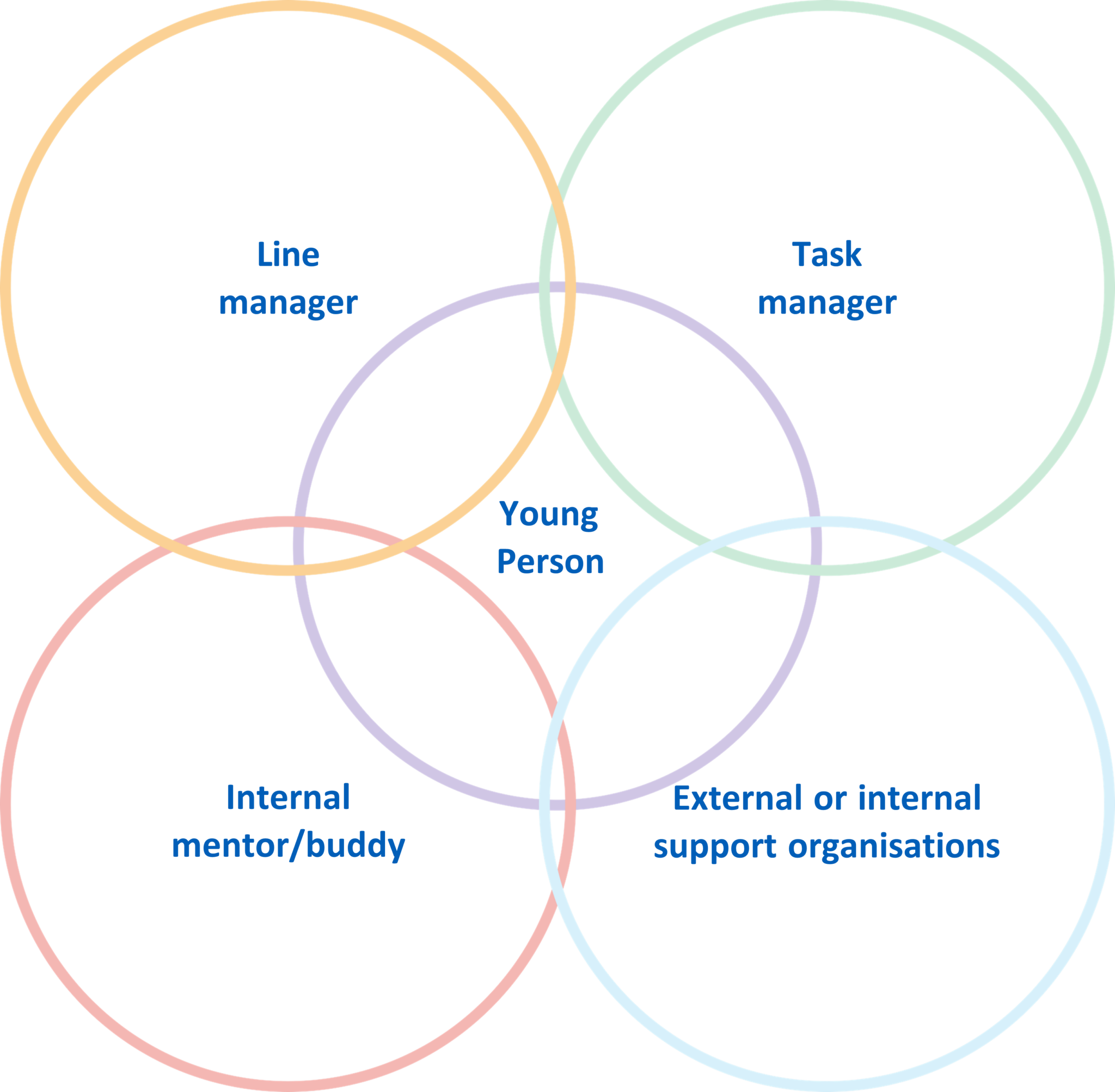
In NHS Birmingham and Solihull ICB, where James found his footing, they’ve developed a regular internal communication network with representatives who can deliver support, advice, and guidance on wellbeing, HR matters, recruitment, and inclusivity efforts.
The standard NHS recruitment process—rigid and possibly overwhelming—has been intentionally adjusted. Job advertisements now focus on attitudinal traits rather than numerous requirements. Application processes have been reconsidered to consider the particular difficulties care leavers might encounter—from lacking professional references to having limited internet access.
Possibly most crucially, the Programme recognizes that starting a job can pose particular problems for care leavers who may be handling self-sufficiency without the safety net of family resources. Matters like commuting fees, proper ID, and bank accounts—taken for granted by many—can become substantial hurdles.
The elegance of the Programme lies in its attention to detail—from outlining compensation information to helping with commuting costs until that critical first payday. Even seemingly minor aspects like break times and workplace conduct are carefully explained.
For James, whose professional path has « transformed » his life, the Programme provided more than work. It gave him a feeling of connection—that intangible quality that grows when someone senses worth not despite their past but because their particular journey enriches the workplace.
« Working for the NHS isn’t just about doctors and nurses, » James observes, his gaze showing the quiet pride of someone who has discovered belonging. « It’s about a collective of different jobs and roles, a team of people who really connect. »
The NHS Universal Family Programme embodies more than an work program. It stands as a strong assertion that organizations can evolve to embrace those who have known different challenges. In doing so, they not only alter individual futures but improve their services through the distinct viewpoints that care leavers provide.
As James navigates his workplace, his participation silently testifies that with the right assistance, care leavers can succeed in environments once deemed unattainable. The arm that the NHS has offered through this Programme symbolizes not charity but appreciation of hidden abilities and the essential fact that each individual warrants a support system that believes in them.