- contact@so-horse-alliances.com
- +33 6 44 72 37 85


Hnycareershub
Ajouter un commentaire SuivreVue d'ensemble
-
Fondée Date 24 août 1977
-
Les secteurs Sport/Loisir
-
Offres D'Emploi 0
-
Vu 454
Description De L'Entreprise
NHS: A Universal Embrace
Among the organized chaos of medical professionals in Birmingham, a young man named James Stokes navigates his daily responsibilities with subtle confidence. His oxford shoes whisper against the floor as he acknowledges colleagues—some by name, others with the familiar currency of a « how are you. »
James displays his credentials not merely as institutional identification but as a declaration of belonging. It rests against a well-maintained uniform that gives no indication of the challenging road that preceded his arrival.
What distinguishes James from many of his colleagues is not obvious to the casual observer. His presence discloses nothing of the fact that he was among the first participants of the NHS Universal Family Programme—an undertaking designed specifically for young people who have been through the care system.
« I found genuine support within the NHS structure, » James explains, his voice steady but tinged with emotion. His observation summarizes the core of a programme that aims to transform how the vast healthcare system approaches care leavers—those often overlooked young people aged 16-25 who have graduated out of the care system.
The numbers tell a troubling story. Care leavers commonly experience higher rates of mental health issues, money troubles, accommodation difficulties, and reduced scholarly attainment compared to their contemporaries. Behind these clinical numbers are personal narratives of young people who have traversed a system that, despite good efforts, often falls short in delivering the nurturing environment that molds most young lives.
The NHS Universal Family Programme, launched in January 2023 following NHS England’s commitment to the Care Leaver Covenant, represents a profound shift in institutional thinking. At its heart, it acknowledges that the complete state and civil society should function as a « universal family » for those who haven’t experienced the security of a conventional home.
Ten pioneering healthcare collectives across England have led the way, establishing systems that rethink how the NHS—one of Europe’s largest employers—can create pathways to care leavers.
The Programme is detailed in its strategy, beginning with detailed evaluations of existing practices, creating oversight mechanisms, and securing leadership support. It acknowledges that effective inclusion requires more than noble aims—it demands practical measures.
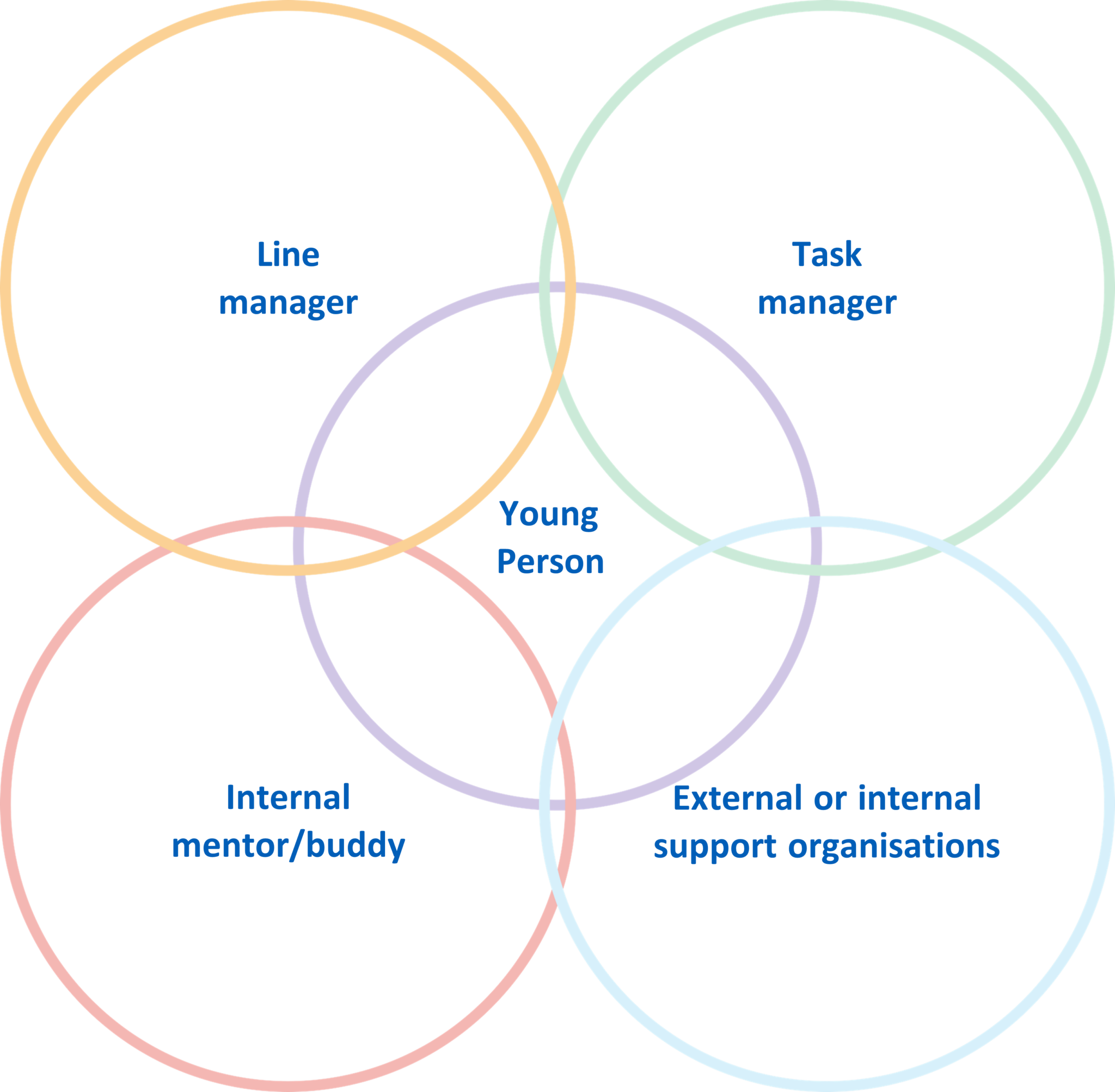
In NHS Birmingham and Solihull ICB, where James started his career, they’ve established a consistent support system with representatives who can deliver support, advice, and guidance on mental health, HR matters, recruitment, and EDI initiatives.
The standard NHS recruitment process—formal and often daunting—has been thoughtfully adapted. Job advertisements now focus on attitudinal traits rather than long lists of credentials. Application processes have been reimagined to consider the particular difficulties care leavers might face—from lacking professional references to struggling with internet access.
Maybe most importantly, the Programme recognizes that entering the workforce can present unique challenges for care leavers who may be handling self-sufficiency without the safety net of family resources. Matters like commuting fees, identification documents, and financial services—considered standard by many—can become major obstacles.
The beauty of the Programme lies in its thorough planning—from outlining compensation information to offering travel loans until that crucial first wage disbursement. Even seemingly minor aspects like rest periods and professional behavior are carefully explained.
For James, whose career trajectory has « changed » his life, the Programme offered more than a job. It provided him a sense of belonging—that elusive quality that emerges when someone senses worth not despite their past but because their unique life experiences enhances the institution.
« Working for the NHS isn’t just about doctors and nurses, » James comments, his expression revealing the subtle satisfaction of someone who has secured his position. « It’s about a community of different jobs and roles, a team of people who genuinely care. »
The NHS Universal Family Programme represents more than an job scheme. It stands as a bold declaration that organizations can evolve to include those who have experienced life differently. In doing so, they not only transform individual lives but enrich themselves through the unique perspectives that care leavers bring to the table.
As James moves through the hospital, his presence silently testifies that with the right assistance, care leavers can flourish in environments once considered beyond reach. The arm that the NHS has extended through this Programme symbolizes not charity but appreciation of hidden abilities and the profound truth that each individual warrants a community that champions their success.
