- contact@so-horse-alliances.com
- +33 6 44 72 37 85


Hnycareershub
Ajouter un commentaire SuivreVue d'ensemble
-
Fondée Date 9 octobre 1948
-
Les secteurs Spectacles
-
Offres D'Emploi 0
-
Vu 444
Description De L'Entreprise
NHS: The Family They Never Had
Within the bustling halls of an NHS hospital in Birmingham, a young man named James Stokes navigates his daily responsibilities with subtle confidence. His smart shoes move with deliberate precision as he acknowledges colleagues—some by name, others with the comfortable currency of a « hello there. »
James displays his credentials not merely as a security requirement but as a testament of belonging. It sits against a neatly presented outfit that gives no indication of the tumultuous journey that preceded his arrival.
What sets apart James from many of his colleagues is not visible on the surface. His presence reveals nothing of the fact that he was among the first participants of the NHS Universal Family Programme—an effort crafted intentionally for young people who have experienced life in local authority care.
« It felt like the NHS was putting its arm around me, » James says, his voice measured but carrying undertones of feeling. His observation captures the core of a programme that aims to reinvent how the enormous healthcare system perceives care leavers—those vulnerable young people aged 16-25 who have graduated out of the care system.
The figures tell a troubling story. Care leavers frequently encounter higher rates of mental health issues, financial instability, accommodation difficulties, and lower academic success compared to their peers. Beneath these cold statistics are personal narratives of young people who have traversed a system that, despite genuine attempts, frequently fails in providing the stable base that forms most young lives.
The NHS Universal Family Programme, launched in January 2023 following NHS England’s pledge to the Care Leaver Covenant, signifies a substantial transformation in systemic approach. At its core, it acknowledges that the whole state and civil society should function as a « communal support system » for those who haven’t experienced the constancy of a typical domestic environment.
Ten pathfinder integrated care boards across England have led the way, establishing systems that rethink how the NHS—one of Europe’s largest employers—can create pathways to care leavers.
The Programme is detailed in its methodology, initiating with detailed evaluations of existing policies, forming management frameworks, and securing executive backing. It recognizes that meaningful participation requires more than lofty goals—it demands concrete steps.
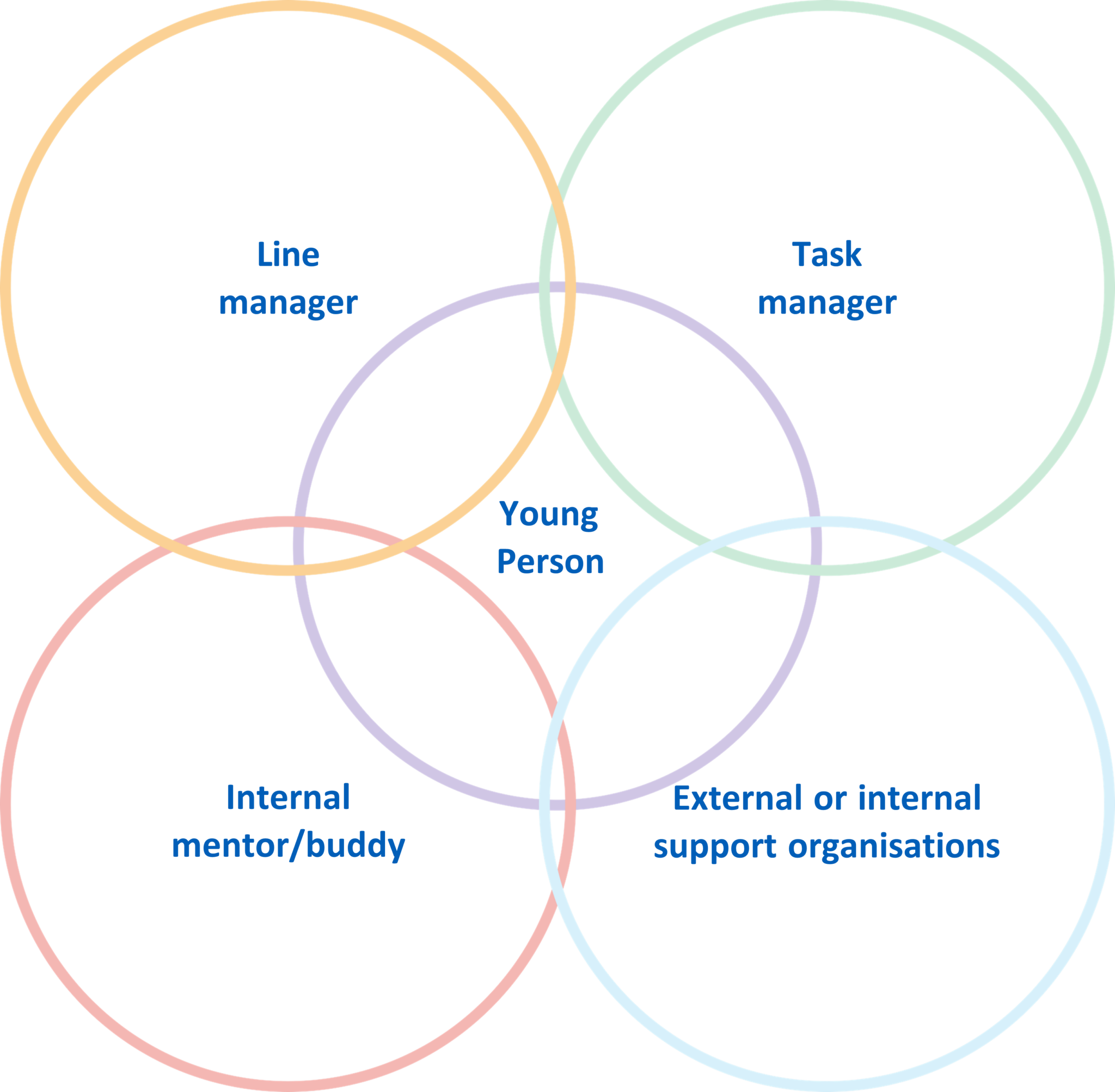
In NHS Birmingham and Solihull ICB, where James found his footing, they’ve established a regular internal communication network with representatives who can offer assistance and counsel on wellbeing, HR matters, recruitment, and equality, diversity, and inclusion.
The standard NHS recruitment process—rigid and possibly overwhelming—has been thoughtfully adapted. Job advertisements now emphasize personal qualities rather than long lists of credentials. Application procedures have been reimagined to consider the unique challenges care leavers might encounter—from lacking professional references to struggling with internet access.
Maybe most importantly, the Programme recognizes that entering the workforce can create specific difficulties for care leavers who may be handling self-sufficiency without the support of parental assistance. Issues like travel expenses, proper ID, and banking arrangements—taken for granted by many—can become significant barriers.
The beauty of the Programme lies in its attention to detail—from outlining compensation information to helping with commuting costs until that essential first payday. Even apparently small matters like rest periods and office etiquette are deliberately addressed.
For James, whose career trajectory has « changed » his life, the Programme delivered more than employment. It gave him a feeling of connection—that ineffable quality that grows when someone feels valued not despite their history but because their distinct perspective improves the institution.
« Working for the NHS isn’t just about doctors and nurses, » James comments, his expression revealing the subtle satisfaction of someone who has found his place. « It’s about a family of different jobs and roles, a team of people who really connect. »

The NHS Universal Family Programme represents more than an job scheme. It functions as a bold declaration that systems can adapt to include those who have experienced life differently. In doing so, they not only change personal trajectories but enrich themselves through the distinct viewpoints that care leavers contribute.
As James moves through the hospital, his presence subtly proves that with the right help, care leavers can succeed in environments once thought inaccessible. The embrace that the NHS has offered through this Programme signifies not charity but appreciation of hidden abilities and the essential fact that everyone deserves a family that believes in them.