- contact@so-horse-alliances.com
- +33 6 44 72 37 85


Hnycareershub
Ajouter un commentaire SuivreVue d'ensemble
-
Fondée Date 22 octobre 1953
-
Les secteurs Entraînement
-
Offres D'Emploi 0
-
Vu 566
Description De L'Entreprise
NHS: A Universal Embrace
Within the bustling halls of an NHS hospital in Birmingham, a young man named James Stokes carries himself with the measured poise of someone who has found his place. His polished footwear barely make a sound as he exchanges pleasantries with colleagues—some by name, others with the comfortable currency of a « good morning. »
James displays his credentials not merely as a security requirement but as a testament of belonging. It rests against a neatly presented outfit that offers no clue of the tumultuous journey that led him to this place.
What sets apart James from many of his colleagues is not immediately apparent. His bearing reveals nothing of the fact that he was among the first beneficiaries of the NHS Universal Family Programme—an initiative designed specifically for young people who have spent time in care.
« It felt like the NHS was putting its arm around me, » James explains, his voice controlled but tinged with emotion. His statement captures the heart of a programme that seeks to revolutionize how the vast healthcare system approaches care leavers—those often overlooked young people aged 16-25 who have transitioned from the care system.
The statistics reveal a challenging reality. Care leavers frequently encounter greater psychological challenges, financial instability, housing precarity, and diminished educational achievements compared to their contemporaries. Beneath these impersonal figures are individual journeys of young people who have navigated a system that, despite genuine attempts, often falls short in providing the stable base that molds most young lives.
The NHS Universal Family Programme, established in January 2023 following NHS England’s commitment to the Care Leaver Covenant, signifies a significant change in systemic approach. Fundamentally, it recognizes that the whole state and civil society should function as a « collective parent » for those who haven’t experienced the stability of a typical domestic environment.
A select group of healthcare regions across England have charted the course, creating structures that reimagine how the NHS—one of Europe’s largest employers—can create pathways to care leavers.

The Programme is meticulous in its methodology, starting from comprehensive audits of existing procedures, forming governance structures, and obtaining leadership support. It recognizes that meaningful participation requires more than good intentions—it demands tangible actions.
In NHS Birmingham and Solihull ICB, where James started his career, they’ve established a reliable information exchange with representatives who can deliver help and direction on personal welfare, HR matters, recruitment, and inclusivity efforts.
The conventional NHS recruitment process—structured and potentially intimidating—has been thoughtfully adapted. Job advertisements now highlight attitudinal traits rather than extensive qualifications. Applications have been redesigned to accommodate the specific obstacles care leavers might experience—from missing employment history to struggling with internet access.
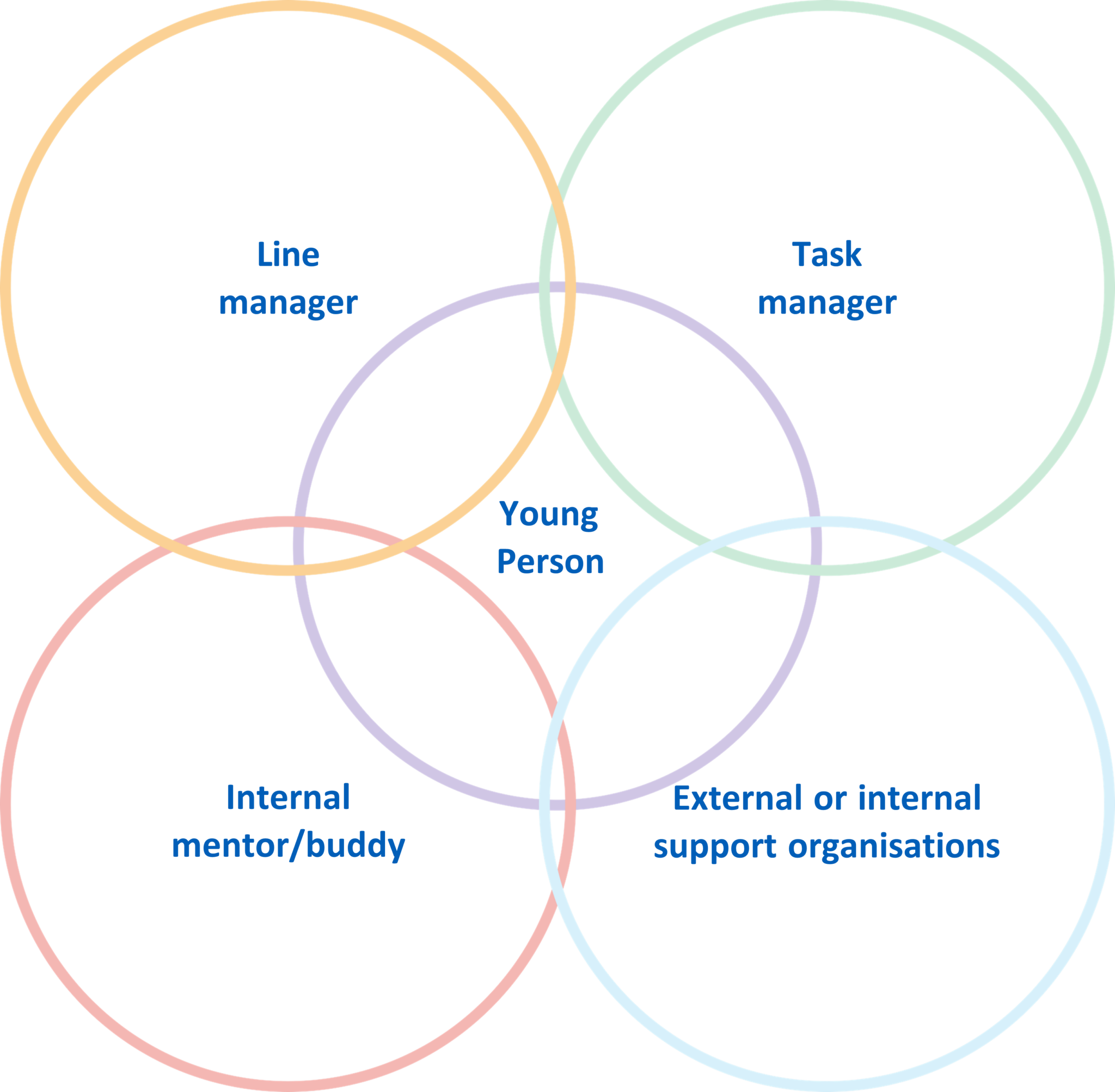
Possibly most crucially, the Programme acknowledges that beginning employment can create specific difficulties for care leavers who may be navigating autonomy without the support of familial aid. Concerns like transportation costs, personal documentation, and financial services—taken for granted by many—can become significant barriers.
The elegance of the Programme lies in its meticulous consideration—from outlining compensation information to offering travel loans until that essential first salary payment. Even ostensibly trivial elements like coffee breaks and office etiquette are deliberately addressed.
For James, whose professional path has « changed » his life, the Programme delivered more than a job. It gave him a sense of belonging—that intangible quality that grows when someone feels valued not despite their background but because their distinct perspective enhances the organization.
« Working for the NHS isn’t just about doctors and nurses, » James notes, his expression revealing the subtle satisfaction of someone who has discovered belonging. « It’s about a community of different jobs and roles, a team of people who truly matter. »
The NHS Universal Family Programme represents more than an job scheme. It stands as a bold declaration that institutions can change to welcome those who have navigated different paths. In doing so, they not only alter individual futures but enhance their operations through the special insights that care leavers provide.
As James moves through the hospital, his involvement subtly proves that with the right assistance, care leavers can flourish in environments once considered beyond reach. The arm that the NHS has provided through this Programme signifies not charity but appreciation of hidden abilities and the fundamental reality that everyone deserves a family that supports their growth.