- contact@so-horse-alliances.com
- +33 6 44 72 37 85


England Nhs
Ajouter un commentaire SuivreVue d'ensemble
-
Fondée Date 5 mai 1960
-
Les secteurs Galop (entraînement)
-
Offres D'Emploi 0
-
Vu 584
Description De L'Entreprise
NHS: A Universal Embrace
Within the bustling halls of an NHS hospital in Birmingham, a young man named James Stokes carries himself with the measured poise of someone who has found his place. His smart shoes whisper against the floor as he greets colleagues—some by name, others with the familiar currency of a « hello there. »
James displays his credentials not merely as institutional identification but as a symbol of inclusion. It hangs against a pressed shirt that gives no indication of the challenging road that led him to this place.
What sets apart James from many of his colleagues is not immediately apparent. His demeanor gives away nothing of the fact that he was among the first recruits of the NHS Universal Family Programme—an initiative designed specifically for young people who have spent time in care.
« The Programme embraced me when I needed it most, » James explains, his voice controlled but revealing subtle passion. His observation encapsulates the core of a programme that aims to revolutionize how the vast healthcare system perceives care leavers—those frequently marginalized young people aged 16-25 who have transitioned from the care system.
The statistics tell a troubling story. Care leavers commonly experience greater psychological challenges, financial instability, accommodation difficulties, and lower academic success compared to their age-mates. Underlying these impersonal figures are individual journeys of young people who have navigated a system that, despite genuine attempts, often falls short in offering the nurturing environment that shapes most young lives.
The NHS Universal Family Programme, launched in January 2023 following NHS England’s pledge to the Care Leaver Covenant, represents a significant change in institutional thinking. At its core, it acknowledges that the whole state and civil society should function as a « communal support system » for those who haven’t known the stability of a typical domestic environment.

Ten pathfinder integrated care boards across England have blazed the trail, creating systems that rethink how the NHS—one of Europe’s largest employers—can create pathways to care leavers.
The Programme is detailed in its approach, initiating with thorough assessments of existing policies, establishing governance structures, and obtaining executive backing. It recognizes that successful integration requires more than noble aims—it demands practical measures.
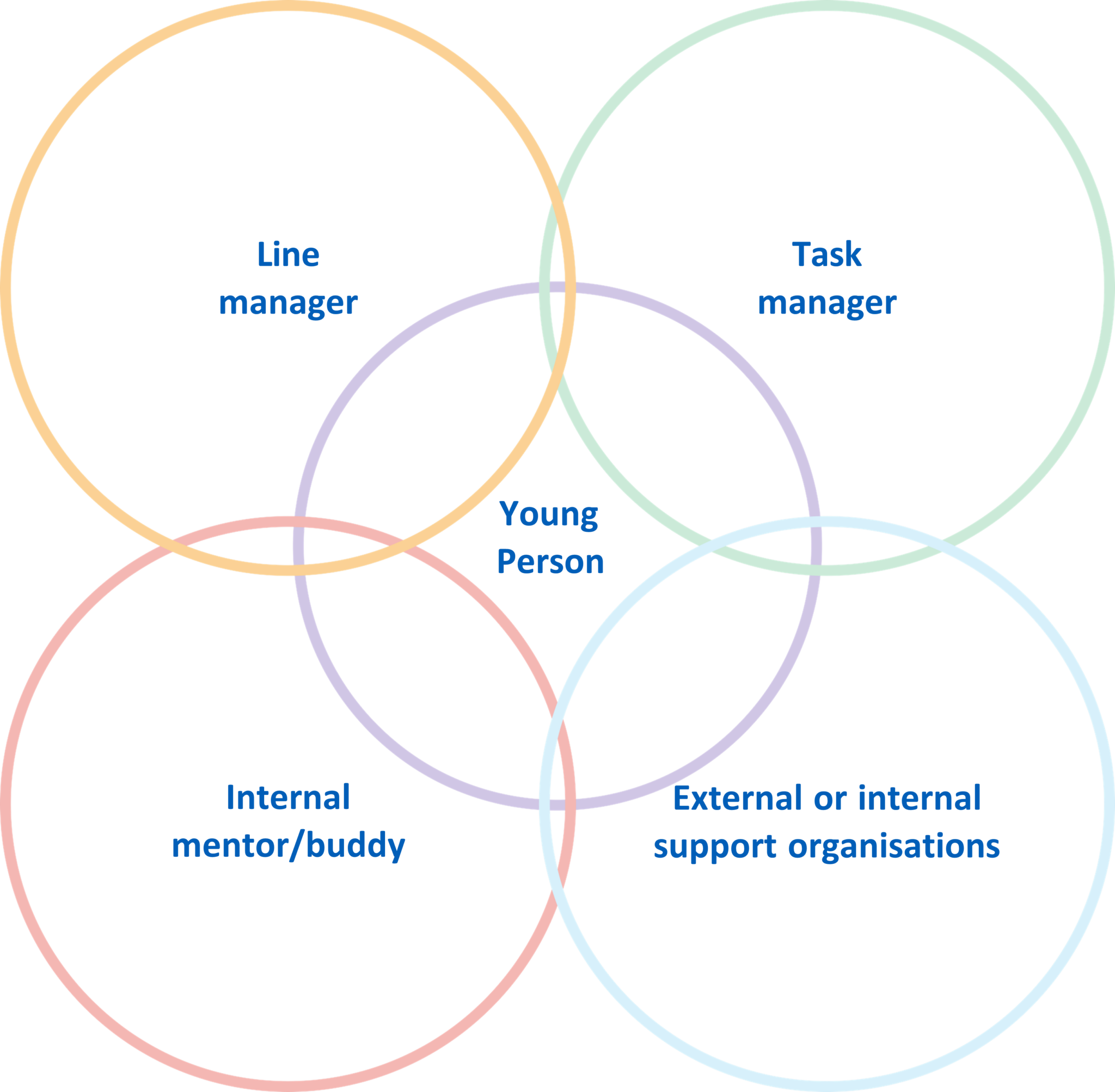
In NHS Birmingham and Solihull ICB, where James found his footing, they’ve established a regular internal communication network with representatives who can provide assistance and counsel on personal welfare, HR matters, recruitment, and inclusivity efforts.
The conventional NHS recruitment process—structured and possibly overwhelming—has been intentionally adjusted. Job advertisements now emphasize attitudinal traits rather than numerous requirements. Applications have been reconsidered to address the particular difficulties care leavers might face—from missing employment history to having limited internet access.
Maybe most importantly, the Programme acknowledges that beginning employment can pose particular problems for care leavers who may be handling self-sufficiency without the support of parental assistance. Issues like travel expenses, identification documents, and financial services—taken for granted by many—can become significant barriers.
The brilliance of the Programme lies in its meticulous consideration—from clarifying salary details to providing transportation assistance until that critical first payday. Even ostensibly trivial elements like rest periods and office etiquette are deliberately addressed.
For James, whose professional path has « transformed » his life, the Programme provided more than work. It gave him a sense of belonging—that elusive quality that develops when someone senses worth not despite their background but because their distinct perspective improves the workplace.
« Working for the NHS isn’t just about doctors and nurses, » James observes, his gaze showing the modest fulfillment of someone who has secured his position. « It’s about a family of different jobs and roles, a family of people who really connect. »
The NHS Universal Family Programme exemplifies more than an work program. It functions as a powerful statement that systems can change to embrace those who have known different challenges. In doing so, they not only transform individual lives but improve their services through the special insights that care leavers bring to the table.
As James navigates his workplace, his participation quietly demonstrates that with the right assistance, care leavers can succeed in environments once considered beyond reach. The arm that the NHS has extended through this Programme symbolizes not charity but appreciation of hidden abilities and the essential fact that everyone deserves a community that supports their growth.