- contact@so-horse-alliances.com
- +33 6 44 72 37 85


England Nhs
Ajouter un commentaire SuivreVue d'ensemble
-
Fondée Date 20 février 1988
-
Les secteurs Viande / Lait (élevage)
-
Offres D'Emploi 0
-
Vu 454
Description De L'Entreprise
NHS: A Universal Embrace
Among the organized chaos of medical professionals in Birmingham, a young man named James Stokes carries himself with the measured poise of someone who has found his place. His smart shoes barely make a sound as he acknowledges colleagues—some by name, others with the comfortable currency of a « how are you. »
James wears his NHS lanyard not merely as an employee badge but as a symbol of acceptance. It hangs against a well-maintained uniform that betrays nothing of the challenging road that brought him here.
What distinguishes James from many of his colleagues is not visible on the surface. His demeanor discloses nothing of the fact that he was among the first beneficiaries of the NHS Universal Family Programme—an initiative crafted intentionally for young people who have been through the care system.

« I found genuine support within the NHS structure, » James says, his voice measured but tinged with emotion. His statement captures the essence of a programme that strives to transform how the massive healthcare system approaches care leavers—those often overlooked young people aged 16-25 who have transitioned from the care system.
The numbers reveal a challenging reality. Care leavers frequently encounter poorer mental health outcomes, financial instability, shelter insecurities, and lower academic success compared to their contemporaries. Behind these impersonal figures are individual journeys of young people who have traversed a system that, despite best intentions, frequently fails in delivering the nurturing environment that forms most young lives.
The NHS Universal Family Programme, initiated in January 2023 following NHS England’s commitment to the Care Leaver Covenant, embodies a significant change in systemic approach. Fundamentally, it acknowledges that the whole state and civil society should function as a « collective parent » for those who haven’t known the stability of a traditional family setting.
Ten pioneering healthcare collectives across England have blazed the trail, establishing structures that rethink how the NHS—one of Europe’s largest employers—can create pathways to care leavers.
The Programme is meticulous in its strategy, beginning with thorough assessments of existing policies, forming oversight mechanisms, and obtaining leadership support. It recognizes that effective inclusion requires more than noble aims—it demands tangible actions.
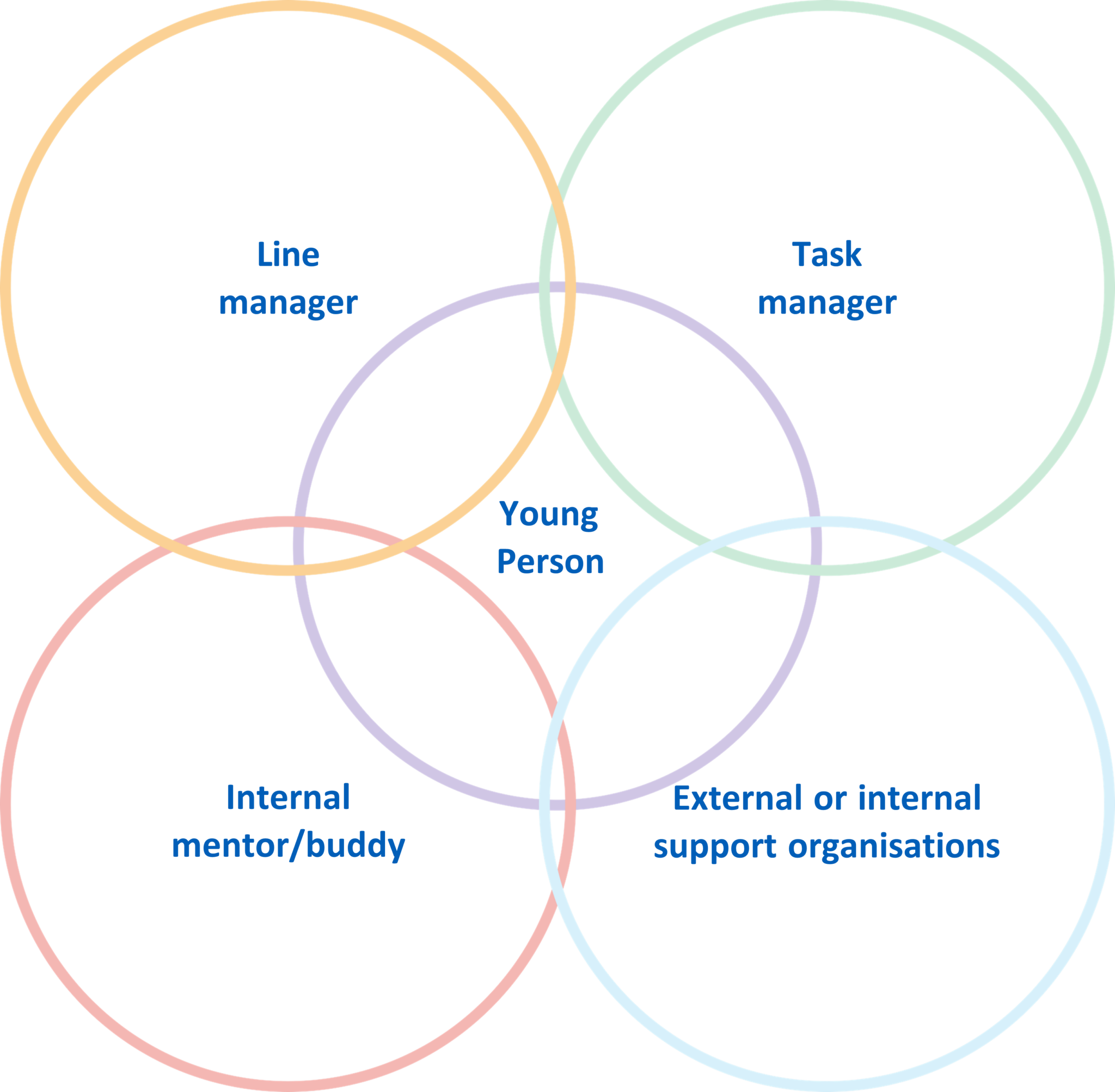
In NHS Birmingham and Solihull ICB, where James started his career, they’ve established a regular internal communication network with representatives who can provide support, advice, and guidance on personal welfare, HR matters, recruitment, and equality, diversity, and inclusion.
The standard NHS recruitment process—rigid and often daunting—has been intentionally adjusted. Job advertisements now focus on character attributes rather than numerous requirements. Application procedures have been reimagined to accommodate the specific obstacles care leavers might encounter—from not having work-related contacts to facing barriers to internet access.
Perhaps most significantly, the Programme recognizes that entering the workforce can create specific difficulties for care leavers who may be navigating autonomy without the safety net of parental assistance. Issues like travel expenses, identification documents, and bank accounts—taken for granted by many—can become significant barriers.
The elegance of the Programme lies in its meticulous consideration—from explaining payslip deductions to providing transportation assistance until that crucial first payday. Even apparently small matters like rest periods and professional behavior are thoughtfully covered.
For James, whose career trajectory has « transformed » his life, the Programme provided more than work. It gave him a feeling of connection—that elusive quality that develops when someone feels valued not despite their history but because their unique life experiences improves the institution.
« Working for the NHS isn’t just about doctors and nurses, » James comments, his gaze showing the subtle satisfaction of someone who has secured his position. « It’s about a family of different jobs and roles, a family of people who really connect. »
The NHS Universal Family Programme embodies more than an employment initiative. It exists as a strong assertion that organizations can change to welcome those who have experienced life differently. In doing so, they not only transform individual lives but improve their services through the distinct viewpoints that care leavers contribute.
As James walks the corridors, his involvement quietly demonstrates that with the right support, care leavers can succeed in environments once thought inaccessible. The arm that the NHS has provided through this Programme signifies not charity but acknowledgment of hidden abilities and the essential fact that each individual warrants a community that supports their growth.