- contact@so-horse-alliances.com
- +33 6 44 72 37 85


England Nhs
Ajouter un commentaire SuivreVue d'ensemble
-
Fondée Date 26 février 1961
-
Les secteurs Galop (entraînement)
-
Offres D'Emploi 0
-
Vu 447
Description De L'Entreprise
NHS: Belonging in White Corridors
In the sterile corridors of Birmingham Women’s and Children’s NHS Foundation Trust, a young man named James Stokes carries himself with the measured poise of someone who has found his place. His smart shoes barely make a sound as he exchanges pleasantries with colleagues—some by name, others with the comfortable currency of a « good morning. »
James wears his NHS lanyard not merely as institutional identification but as a symbol of inclusion. It sits against a pressed shirt that offers no clue of the difficult path that brought him here.

What distinguishes James from many of his colleagues is not visible on the surface. His bearing reveals nothing of the fact that he was among the first participants of the NHS Universal Family Programme—an initiative designed specifically for young people who have spent time in care.
« The Programme embraced me when I needed it most, » James reflects, his voice steady but tinged with emotion. His statement captures the essence of a programme that seeks to transform how the enormous healthcare system views care leavers—those vulnerable young people aged 16-25 who have emerged from the care system.
The numbers tell a troubling story. Care leavers commonly experience higher rates of mental health issues, money troubles, shelter insecurities, and lower academic success compared to their peers. Underlying these cold statistics are personal narratives of young people who have maneuvered through a system that, despite good efforts, frequently fails in providing the nurturing environment that molds most young lives.
The NHS Universal Family Programme, established in January 2023 following NHS England’s promise to the Care Leaver Covenant, represents a profound shift in systemic approach. At its core, it accepts that the entire state and civil society should function as a « collective parent » for those who have missed out on the security of a typical domestic environment.
A select group of healthcare regions across England have blazed the trail, creating structures that rethink how the NHS—one of Europe’s largest employers—can create pathways to care leavers.
The Programme is detailed in its approach, initiating with thorough assessments of existing procedures, creating governance structures, and securing senior buy-in. It recognizes that successful integration requires more than lofty goals—it demands concrete steps.
In NHS Birmingham and Solihull ICB, where James found his footing, they’ve developed a regular internal communication network with representatives who can provide help and direction on personal welfare, HR matters, recruitment, and inclusivity efforts.
The standard NHS recruitment process—formal and often daunting—has been thoughtfully adapted. Job advertisements now highlight attitudinal traits rather than numerous requirements. Application processes have been reconsidered to accommodate the unique challenges care leavers might encounter—from missing employment history to facing barriers to internet access.
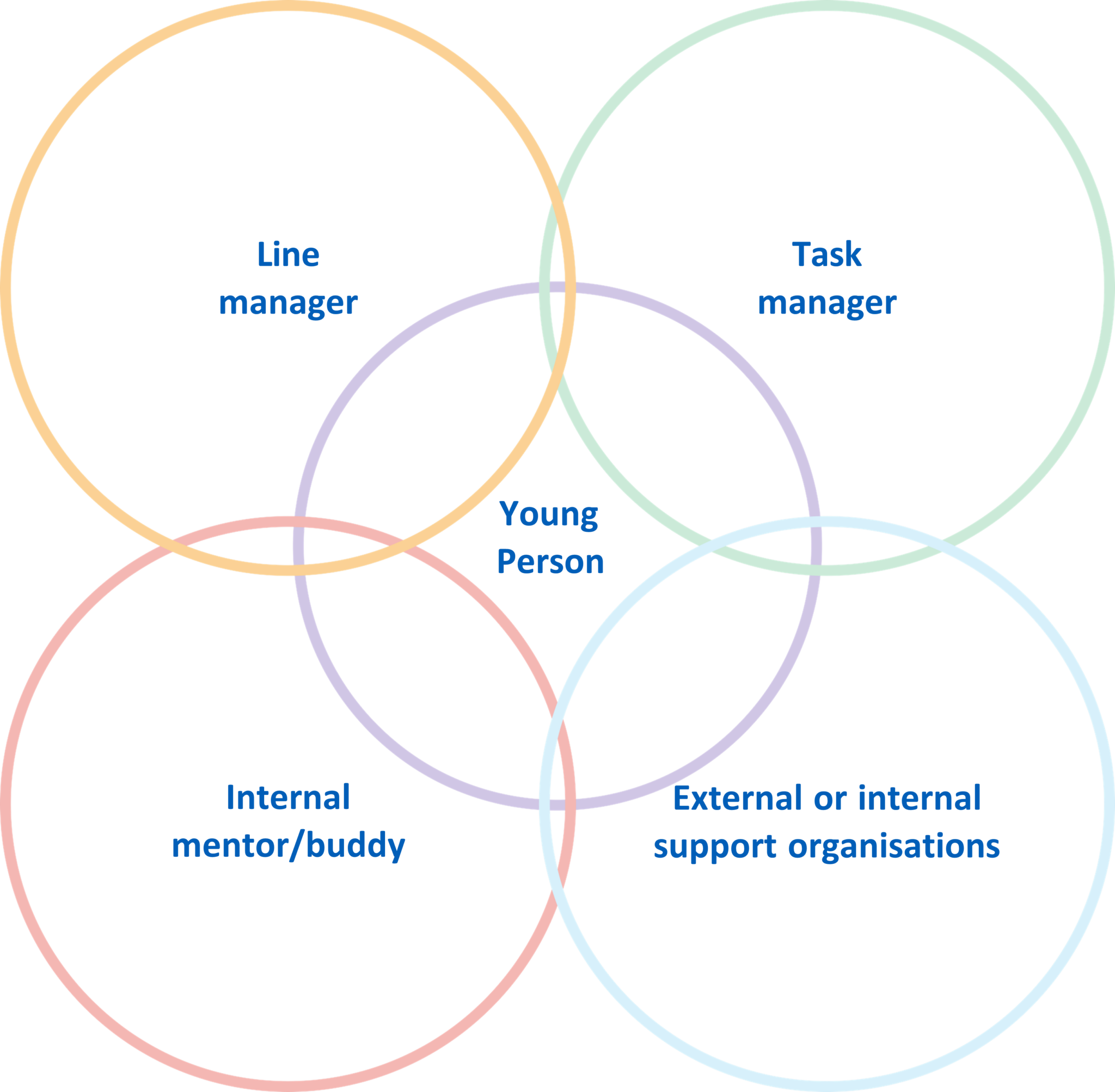
Perhaps most significantly, the Programme understands that beginning employment can present unique challenges for care leavers who may be handling self-sufficiency without the support of familial aid. Issues like commuting fees, proper ID, and financial services—considered standard by many—can become major obstacles.
The brilliance of the Programme lies in its meticulous consideration—from clarifying salary details to helping with commuting costs until that essential first salary payment. Even ostensibly trivial elements like coffee breaks and workplace conduct are carefully explained.
For James, whose career trajectory has « revolutionized » his life, the Programme offered more than a job. It offered him a feeling of connection—that intangible quality that develops when someone senses worth not despite their history but because their particular journey improves the organization.
« Working for the NHS isn’t just about doctors and nurses, » James notes, his expression revealing the quiet pride of someone who has found his place. « It’s about a family of different jobs and roles, a group of people who genuinely care. »
The NHS Universal Family Programme exemplifies more than an work program. It stands as a strong assertion that institutions can evolve to embrace those who have experienced life differently. In doing so, they not only alter individual futures but enrich themselves through the special insights that care leavers bring to the table.
As James walks the corridors, his participation quietly demonstrates that with the right assistance, care leavers can flourish in environments once thought inaccessible. The arm that the NHS has offered through this Programme represents not charity but recognition of overlooked talent and the fundamental reality that all people merit a support system that champions their success.