- contact@so-horse-alliances.com
- +33 6 44 72 37 85


England Nhs
Ajouter un commentaire SuivreVue d'ensemble
-
Fondée Date 11 juillet 1993
-
Les secteurs Viande / Lait (élevage)
-
Offres D'Emploi 0
-
Vu 459
Description De L'Entreprise
NHS: Belonging in White Corridors
Within the bustling halls of an NHS hospital in Birmingham, a young man named James Stokes carries himself with the measured poise of someone who has found his place. His smart shoes whisper against the floor as he exchanges pleasantries with colleagues—some by name, others with the familiar currency of a « good morning. »
James displays his credentials not merely as institutional identification but as a declaration of belonging. It rests against a pressed shirt that offers no clue of the difficult path that brought him here.
What sets apart James from many of his colleagues is not visible on the surface. His demeanor discloses nothing of the fact that he was among the first beneficiaries of the NHS Universal Family Programme—an initiative created purposefully for young people who have spent time in care.
« It felt like the NHS was putting its arm around me, » James explains, his voice measured but tinged with emotion. His observation summarizes the core of a programme that seeks to transform how the massive healthcare system views care leavers—those often overlooked young people aged 16-25 who have emerged from the care system.
The numbers reveal a challenging reality. Care leavers frequently encounter poorer mental health outcomes, economic uncertainty, accommodation difficulties, and reduced scholarly attainment compared to their contemporaries. Beneath these cold statistics are human stories of young people who have maneuvered through a system that, despite best intentions, frequently fails in offering the supportive foundation that shapes most young lives.
The NHS Universal Family Programme, established in January 2023 following NHS England’s commitment to the Care Leaver Covenant, signifies a substantial transformation in organizational perspective. At its heart, it acknowledges that the whole state and civil society should function as a « collective parent » for those who haven’t known the security of a typical domestic environment.
Ten pioneering healthcare collectives across England have blazed the trail, creating frameworks that rethink how the NHS—one of Europe’s largest employers—can open its doors to care leavers.
The Programme is meticulous in its strategy, initiating with comprehensive audits of existing procedures, forming oversight mechanisms, and obtaining executive backing. It acknowledges that effective inclusion requires more than noble aims—it demands concrete steps.
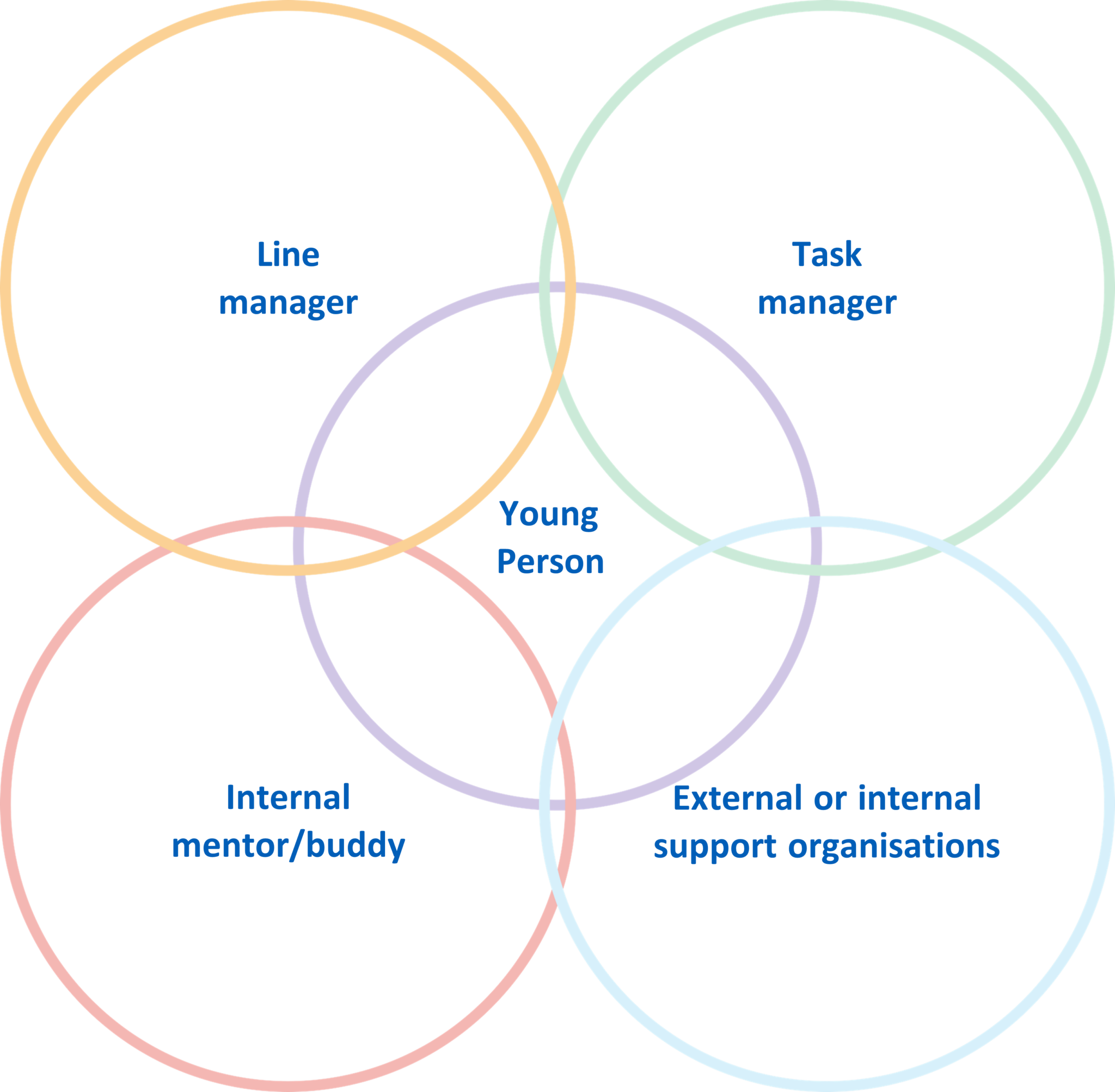
In NHS Birmingham and Solihull ICB, where James found his footing, they’ve created a regular internal communication network with representatives who can deliver assistance and counsel on wellbeing, HR matters, recruitment, and equality, diversity, and inclusion.

The conventional NHS recruitment process—rigid and often daunting—has been intentionally adjusted. Job advertisements now emphasize personal qualities rather than extensive qualifications. Application procedures have been redesigned to consider the unique challenges care leavers might encounter—from not having work-related contacts to struggling with internet access.
Perhaps most significantly, the Programme acknowledges that starting a job can pose particular problems for care leavers who may be navigating autonomy without the backup of familial aid. Issues like travel expenses, personal documentation, and financial services—considered standard by many—can become substantial hurdles.
The brilliance of the Programme lies in its meticulous consideration—from outlining compensation information to offering travel loans until that essential first salary payment. Even seemingly minor aspects like rest periods and office etiquette are deliberately addressed.
For James, whose professional path has « revolutionized » his life, the Programme delivered more than employment. It offered him a sense of belonging—that ineffable quality that emerges when someone feels valued not despite their history but because their particular journey enhances the organization.
« Working for the NHS isn’t just about doctors and nurses, » James comments, his expression revealing the modest fulfillment of someone who has found his place. « It’s about a collective of different jobs and roles, a team of people who truly matter. »
The NHS Universal Family Programme exemplifies more than an work program. It stands as a strong assertion that systems can change to include those who have experienced life differently. In doing so, they not only change personal trajectories but improve their services through the unique perspectives that care leavers contribute.
As James walks the corridors, his participation subtly proves that with the right assistance, care leavers can thrive in environments once thought inaccessible. The arm that the NHS has offered through this Programme represents not charity but acknowledgment of hidden abilities and the profound truth that all people merit a family that champions their success.