- contact@so-horse-alliances.com
- +33 6 44 72 37 85


England Nhs
Ajouter un commentaire SuivreVue d'ensemble
-
Fondée Date 18 avril 2019
-
Les secteurs Galop (entraînement)
-
Offres D'Emploi 0
-
Vu 487
Description De L'Entreprise
NHS: A Universal Embrace
Within the bustling halls of an NHS hospital in Birmingham, a young man named James Stokes moves with quiet purpose. His oxford shoes move with deliberate precision as he greets colleagues—some by name, others with the comfortable currency of a « hello there. »

James carries his identification not merely as a security requirement but as a declaration of belonging. It rests against a neatly presented outfit that betrays nothing of the tumultuous journey that led him to this place.
What distinguishes James from many of his colleagues is not visible on the surface. His presence reveals nothing of the fact that he was among the first beneficiaries of the NHS Universal Family Programme—an initiative crafted intentionally for young people who have been through the care system.
« It felt like the NHS was putting its arm around me, » James reflects, his voice controlled but revealing subtle passion. His statement captures the heart of a programme that strives to transform how the enormous healthcare system perceives care leavers—those vulnerable young people aged 16-25 who have emerged from the care system.
The numbers reveal a challenging reality. Care leavers frequently encounter higher rates of mental health issues, financial instability, housing precarity, and lower academic success compared to their age-mates. Behind these clinical numbers are personal narratives of young people who have traversed a system that, despite genuine attempts, regularly misses the mark in delivering the supportive foundation that forms most young lives.
The NHS Universal Family Programme, established in January 2023 following NHS England’s commitment to the Care Leaver Covenant, embodies a profound shift in systemic approach. Fundamentally, it acknowledges that the whole state and civil society should function as a « universal family » for those who haven’t experienced the constancy of a conventional home.
Ten pioneering healthcare collectives across England have blazed the trail, establishing systems that reconceptualize how the NHS—one of Europe’s largest employers—can extend opportunities to care leavers.
The Programme is meticulous in its approach, beginning with detailed evaluations of existing procedures, establishing oversight mechanisms, and garnering senior buy-in. It recognizes that meaningful participation requires more than good intentions—it demands practical measures.
In NHS Birmingham and Solihull ICB, where James started his career, they’ve developed a regular internal communication network with representatives who can provide help and direction on wellbeing, HR matters, recruitment, and inclusivity efforts.
The conventional NHS recruitment process—structured and possibly overwhelming—has been thoughtfully adapted. Job advertisements now focus on character attributes rather than long lists of credentials. Application procedures have been reimagined to consider the unique challenges care leavers might encounter—from missing employment history to having limited internet access.
Maybe most importantly, the Programme recognizes that starting a job can present unique challenges for care leavers who may be navigating autonomy without the support of parental assistance. Concerns like commuting fees, identification documents, and bank accounts—taken for granted by many—can become major obstacles.
The beauty of the Programme lies in its meticulous consideration—from clarifying salary details to providing transportation assistance until that critical first salary payment. Even apparently small matters like break times and office etiquette are carefully explained.
For James, whose career trajectory has « changed » his life, the Programme provided more than a job. It provided him a perception of inclusion—that elusive quality that emerges when someone is appreciated not despite their past but because their particular journey enhances the organization.
« Working for the NHS isn’t just about doctors and nurses, » James observes, his gaze showing the quiet pride of someone who has found his place. « It’s about a family of different jobs and roles, a family of people who truly matter. »
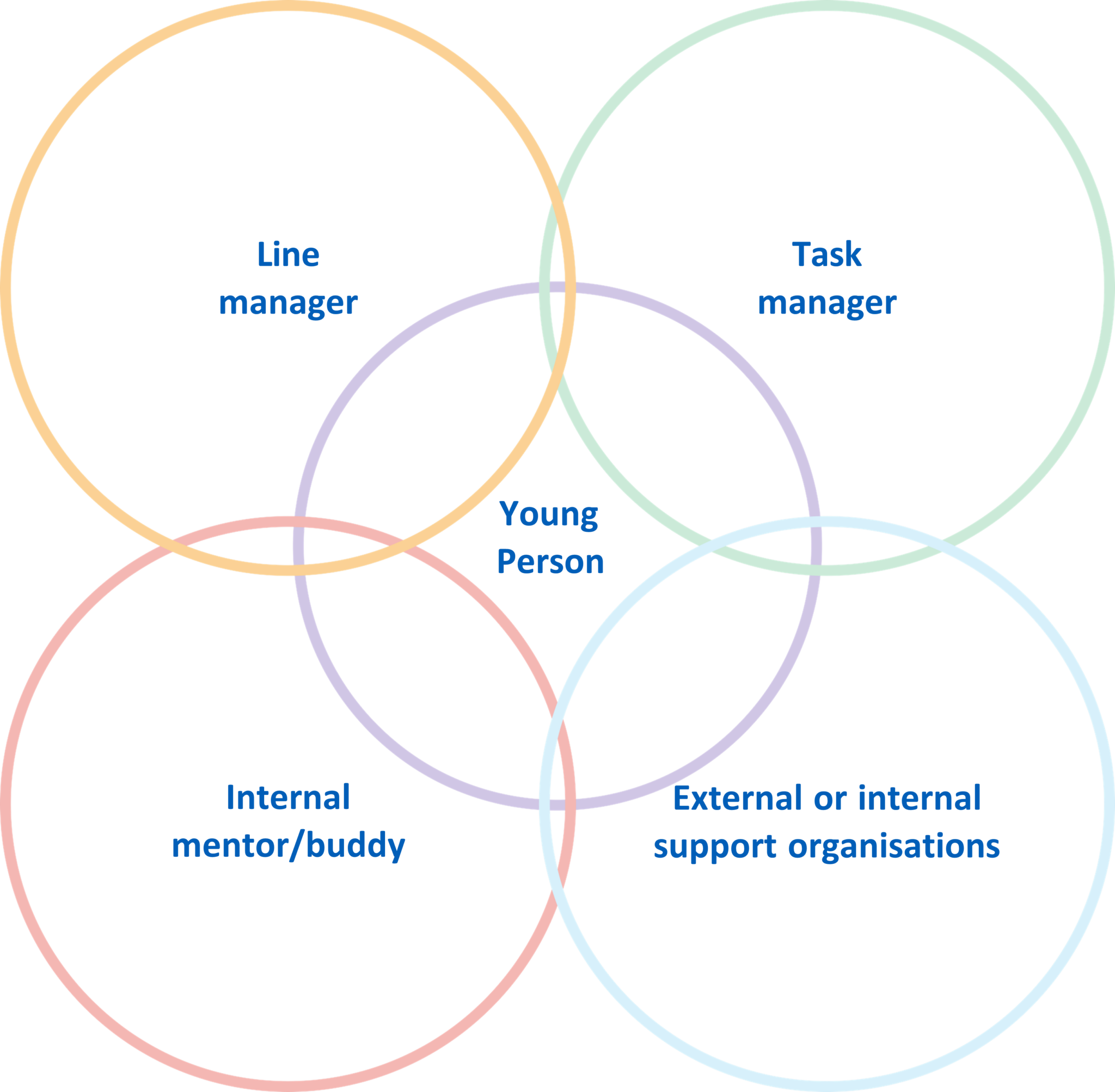
The NHS Universal Family Programme embodies more than an job scheme. It exists as a bold declaration that systems can evolve to welcome those who have navigated different paths. In doing so, they not only change personal trajectories but enrich themselves through the special insights that care leavers contribute.
As James navigates his workplace, his involvement quietly demonstrates that with the right help, care leavers can thrive in environments once deemed unattainable. The arm that the NHS has offered through this Programme represents not charity but acknowledgment of overlooked talent and the fundamental reality that everyone deserves a community that supports their growth.