- contact@so-horse-alliances.com
- +33 6 44 72 37 85


England Nhs
Ajouter un commentaire SuivreVue d'ensemble
-
Fondée Date 28 juillet 1930
-
Les secteurs Cheval utilitaire
-
Offres D'Emploi 0
-
Vu 491
Description De L'Entreprise
NHS: Belonging in White Corridors
Within the bustling halls of an NHS hospital in Birmingham, a young man named James Stokes navigates his daily responsibilities with subtle confidence. His smart shoes move with deliberate precision as he acknowledges colleagues—some by name, others with the comfortable currency of a « how are you. »
James displays his credentials not merely as institutional identification but as a testament of inclusion. It rests against a well-maintained uniform that betrays nothing of the tumultuous journey that led him to this place.
What distinguishes James from many of his colleagues is not visible on the surface. His bearing reveals nothing of the fact that he was among the first participants of the NHS Universal Family Programme—an undertaking designed specifically for young people who have experienced life in local authority care.

« It felt like the NHS was putting its arm around me, » James reflects, his voice controlled but tinged with emotion. His remark summarizes the core of a programme that seeks to revolutionize how the vast healthcare system approaches care leavers—those often overlooked young people aged 16-25 who have transitioned from the care system.
The figures tell a troubling story. Care leavers frequently encounter higher rates of mental health issues, economic uncertainty, housing precarity, and reduced scholarly attainment compared to their contemporaries. Beneath these clinical numbers are personal narratives of young people who have navigated a system that, despite best intentions, frequently fails in providing the nurturing environment that forms most young lives.
The NHS Universal Family Programme, initiated in January 2023 following NHS England’s pledge to the Care Leaver Covenant, represents a substantial transformation in systemic approach. At its heart, it recognizes that the complete state and civil society should function as a « communal support system » for those who haven’t experienced the stability of a traditional family setting.
A select group of healthcare regions across England have led the way, developing systems that reimagine how the NHS—one of Europe’s largest employers—can open its doors to care leavers.
The Programme is thorough in its strategy, initiating with detailed evaluations of existing practices, forming governance structures, and obtaining leadership support. It acknowledges that successful integration requires more than good intentions—it demands concrete steps.
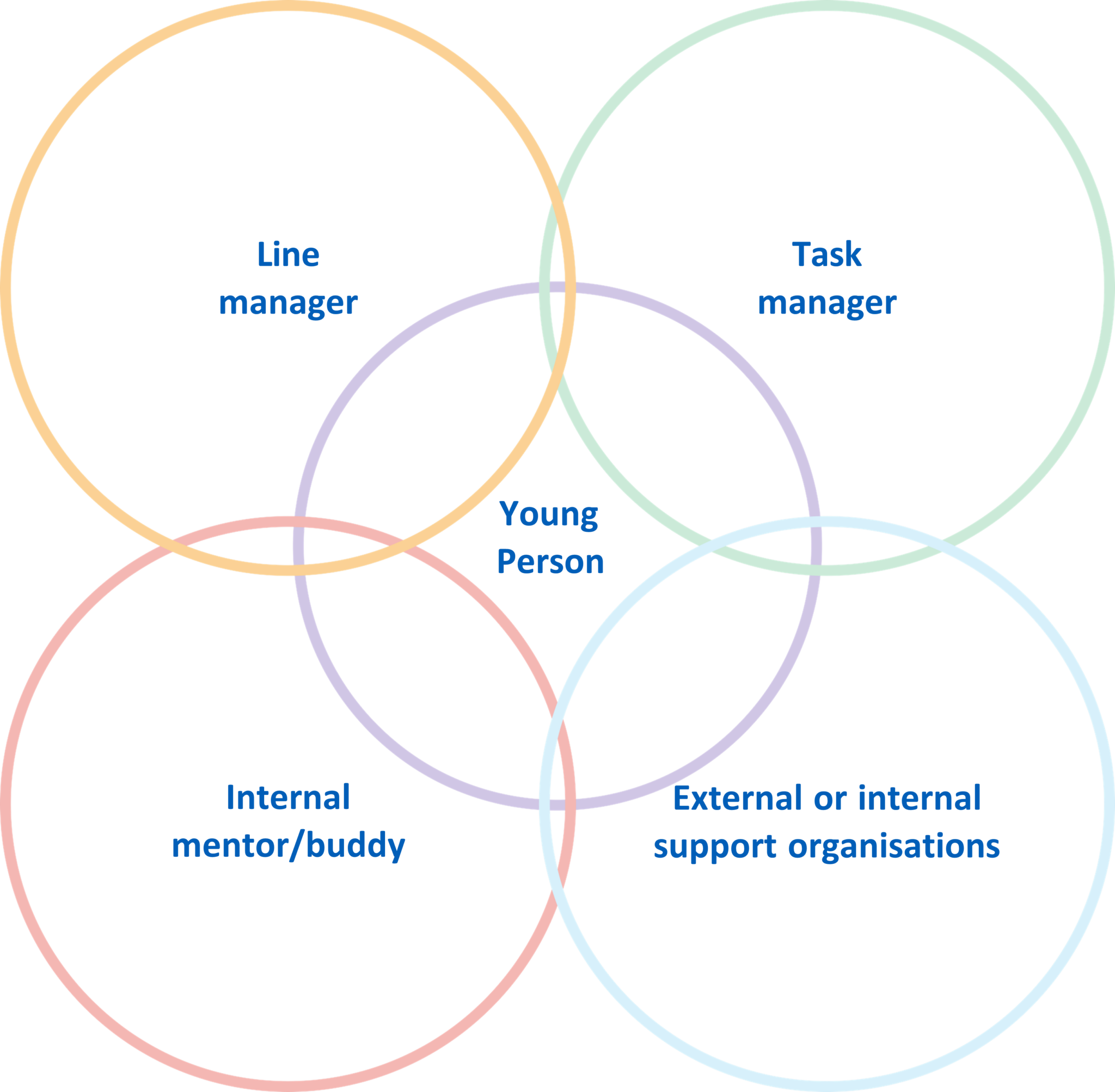
In NHS Birmingham and Solihull ICB, where James began his journey, they’ve established a reliable information exchange with representatives who can offer assistance and counsel on mental health, HR matters, recruitment, and inclusivity efforts.
The standard NHS recruitment process—structured and potentially intimidating—has been carefully modified. Job advertisements now focus on attitudinal traits rather than extensive qualifications. Applications have been reconsidered to consider the specific obstacles care leavers might experience—from lacking professional references to facing barriers to internet access.
Possibly most crucially, the Programme understands that starting a job can pose particular problems for care leavers who may be navigating autonomy without the backup of family resources. Concerns like transportation costs, personal documentation, and banking arrangements—considered standard by many—can become major obstacles.
The beauty of the Programme lies in its thorough planning—from clarifying salary details to offering travel loans until that critical first salary payment. Even seemingly minor aspects like rest periods and workplace conduct are thoughtfully covered.
For James, whose professional path has « changed » his life, the Programme delivered more than a job. It provided him a perception of inclusion—that ineffable quality that develops when someone is appreciated not despite their past but because their distinct perspective improves the workplace.
« Working for the NHS isn’t just about doctors and nurses, » James notes, his gaze showing the modest fulfillment of someone who has secured his position. « It’s about a collective of different jobs and roles, a team of people who really connect. »
The NHS Universal Family Programme exemplifies more than an job scheme. It stands as a powerful statement that systems can evolve to embrace those who have navigated different paths. In doing so, they not only change personal trajectories but enrich themselves through the distinct viewpoints that care leavers contribute.
As James navigates his workplace, his presence subtly proves that with the right help, care leavers can thrive in environments once considered beyond reach. The embrace that the NHS has offered through this Programme signifies not charity but acknowledgment of hidden abilities and the profound truth that everyone deserves a support system that believes in them.