- contact@so-horse-alliances.com
- +33 6 44 72 37 85


England Nhs
Ajouter un commentaire SuivreVue d'ensemble
-
Fondée Date 30 septembre 2006
-
Les secteurs Galop (élevage)
-
Offres D'Emploi 0
-
Vu 535
Description De L'Entreprise
NHS: The Family They Never Had
Among the organized chaos of medical professionals in Birmingham, a young man named James Stokes carries himself with the measured poise of someone who has found his place. His oxford shoes whisper against the floor as he greets colleagues—some by name, others with the comfortable currency of a « how are you. »
James carries his identification not merely as a security requirement but as a declaration of belonging. It hangs against a well-maintained uniform that gives no indication of the tumultuous journey that brought him here.
What separates James from many of his colleagues is not visible on the surface. His presence gives away nothing of the fact that he was among the first beneficiaries of the NHS Universal Family Programme—an undertaking designed specifically for young people who have experienced life in local authority care.
« It felt like the NHS was putting its arm around me, » James says, his voice controlled but tinged with emotion. His statement encapsulates the essence of a programme that strives to revolutionize how the massive healthcare system perceives care leavers—those frequently marginalized young people aged 16-25 who have transitioned from the care system.
The numbers reveal a challenging reality. Care leavers commonly experience greater psychological challenges, economic uncertainty, housing precarity, and reduced scholarly attainment compared to their contemporaries. Beneath these clinical numbers are human stories of young people who have traversed a system that, despite best intentions, often falls short in offering the nurturing environment that forms most young lives.
The NHS Universal Family Programme, initiated in January 2023 following NHS England’s promise to the Care Leaver Covenant, embodies a profound shift in organizational perspective. At its core, it accepts that the entire state and civil society should function as a « collective parent » for those who haven’t known the stability of a typical domestic environment.
A select group of healthcare regions across England have blazed the trail, establishing structures that reimagine how the NHS—one of Europe’s largest employers—can open its doors to care leavers.
The Programme is thorough in its methodology, beginning with detailed evaluations of existing practices, creating management frameworks, and securing senior buy-in. It recognizes that meaningful participation requires more than lofty goals—it demands tangible actions.
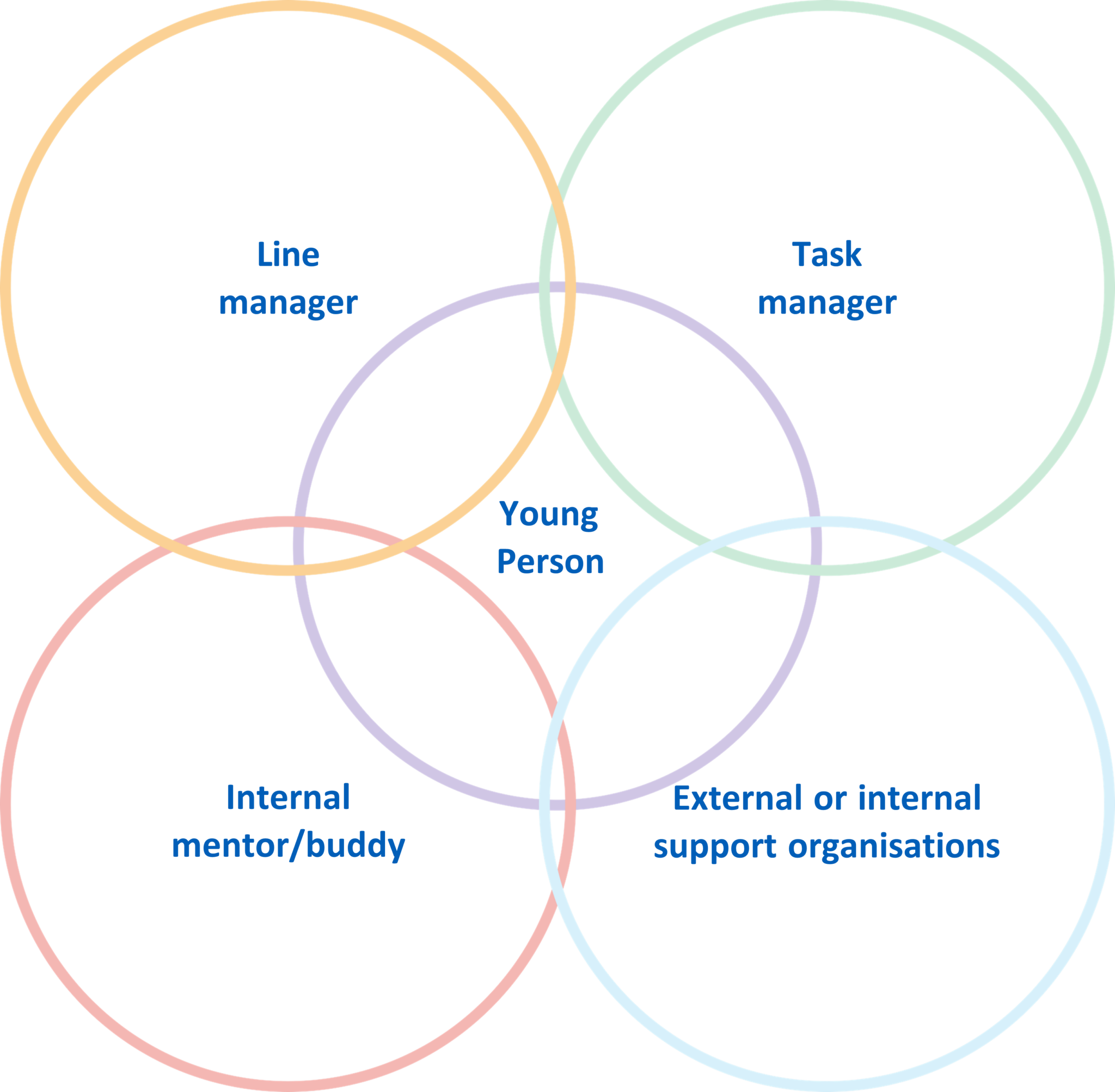
In NHS Birmingham and Solihull ICB, where James started his career, they’ve created a regular internal communication network with representatives who can offer assistance and counsel on mental health, HR matters, recruitment, and equality, diversity, and inclusion.
The conventional NHS recruitment process—formal and often daunting—has been carefully modified. Job advertisements now emphasize attitudinal traits rather than numerous requirements. Application procedures have been reimagined to address the unique challenges care leavers might face—from not having work-related contacts to facing barriers to internet access.
Perhaps most significantly, the Programme recognizes that beginning employment can pose particular problems for care leavers who may be handling self-sufficiency without the safety net of parental assistance. Concerns like commuting fees, identification documents, and banking arrangements—considered standard by many—can become major obstacles.
The brilliance of the Programme lies in its thorough planning—from outlining compensation information to offering travel loans until that critical first payday. Even apparently small matters like rest periods and office etiquette are thoughtfully covered.
For James, whose NHS journey has « transformed » his life, the Programme offered more than work. It provided him a perception of inclusion—that intangible quality that develops when someone senses worth not despite their background but because their unique life experiences improves the institution.
« Working for the NHS isn’t just about doctors and nurses, » James comments, his expression revealing the modest fulfillment of someone who has found his place. « It’s about a community of different jobs and roles, a family of people who really connect. »

The NHS Universal Family Programme represents more than an job scheme. It stands as a bold declaration that organizations can adapt to embrace those who have known different challenges. In doing so, they not only alter individual futures but improve their services through the special insights that care leavers bring to the table.
As James navigates his workplace, his presence quietly demonstrates that with the right help, care leavers can thrive in environments once thought inaccessible. The arm that the NHS has extended through this Programme symbolizes not charity but recognition of overlooked talent and the essential fact that each individual warrants a community that champions their success.