- contact@so-horse-alliances.com
- +33 6 44 72 37 85


England Nhs
Ajouter un commentaire SuivreVue d'ensemble
-
Fondée Date 10 mai 1998
-
Les secteurs Formation
-
Offres D'Emploi 0
-
Vu 585
Description De L'Entreprise
NHS: A Universal Embrace
Within the bustling halls of an NHS hospital in Birmingham, a young man named James Stokes navigates his daily responsibilities with subtle confidence. His oxford shoes move with deliberate precision as he acknowledges colleagues—some by name, others with the familiar currency of a « good morning. »
James displays his credentials not merely as a security requirement but as a symbol of acceptance. It hangs against a neatly presented outfit that offers no clue of the challenging road that brought him here.
What distinguishes James from many of his colleagues is not immediately apparent. His presence reveals nothing of the fact that he was among the first participants of the NHS Universal Family Programme—an undertaking designed specifically for young people who have spent time in care.
« I found genuine support within the NHS structure, » James explains, his voice steady but revealing subtle passion. His observation encapsulates the essence of a programme that aims to reinvent how the vast healthcare system perceives care leavers—those often overlooked young people aged 16-25 who have emerged from the care system.
The statistics paint a stark picture. Care leavers often face poorer mental health outcomes, money troubles, housing precarity, and reduced scholarly attainment compared to their peers. Beneath these impersonal figures are individual journeys of young people who have maneuvered through a system that, despite good efforts, often falls short in delivering the nurturing environment that forms most young lives.
The NHS Universal Family Programme, launched in January 2023 following NHS England’s promise to the Care Leaver Covenant, signifies a profound shift in institutional thinking. At its core, it accepts that the entire state and civil society should function as a « universal family » for those who haven’t experienced the security of a conventional home.

Ten pioneering healthcare collectives across England have charted the course, establishing frameworks that rethink how the NHS—one of Europe’s largest employers—can open its doors to care leavers.
The Programme is detailed in its approach, initiating with thorough assessments of existing practices, creating governance structures, and garnering executive backing. It acknowledges that effective inclusion requires more than good intentions—it demands tangible actions.
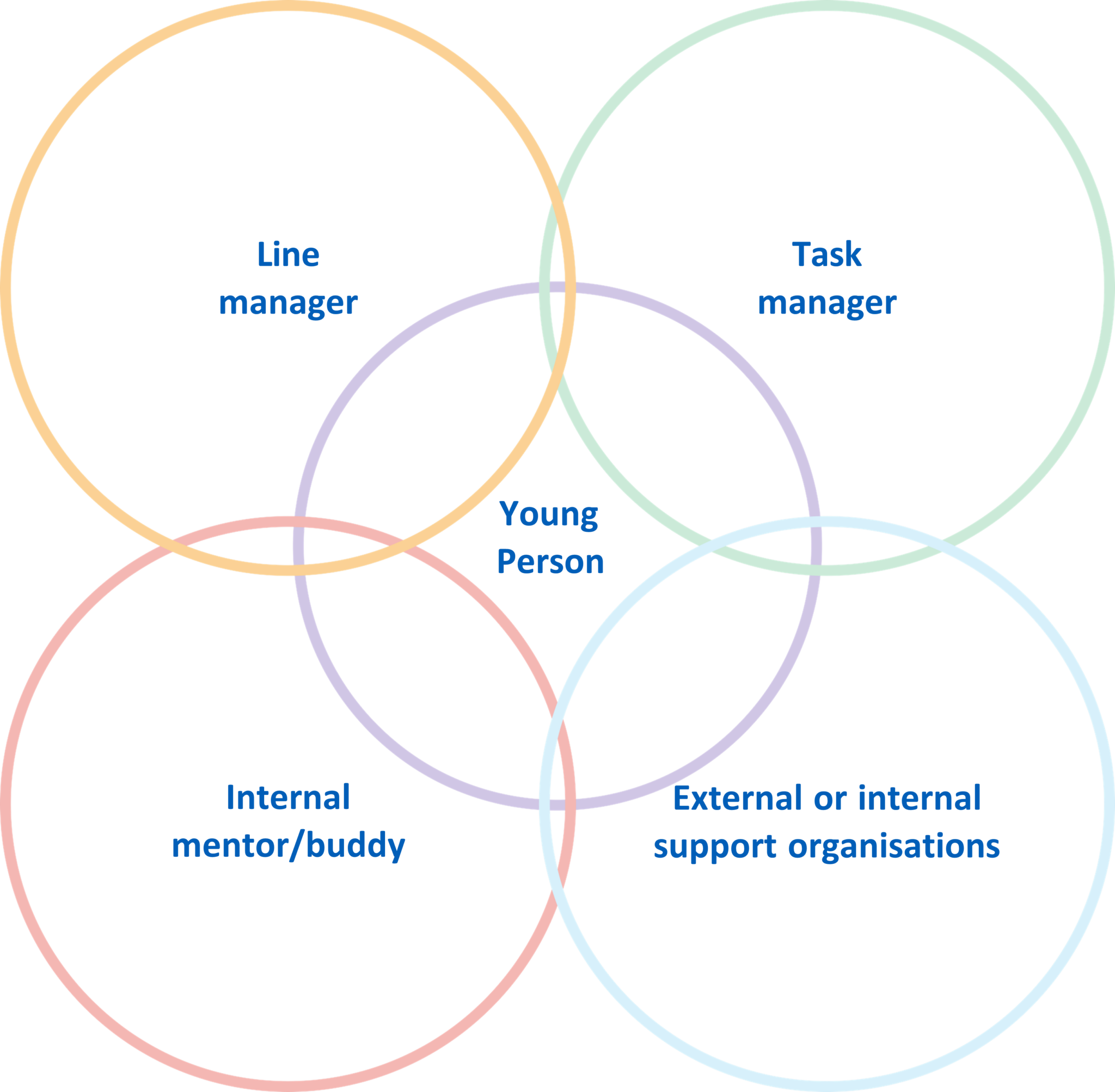
In NHS Birmingham and Solihull ICB, where James started his career, they’ve established a regular internal communication network with representatives who can offer assistance and counsel on mental health, HR matters, recruitment, and EDI initiatives.
The traditional NHS recruitment process—structured and often daunting—has been intentionally adjusted. Job advertisements now highlight attitudinal traits rather than extensive qualifications. Application procedures have been reimagined to accommodate the particular difficulties care leavers might encounter—from not having work-related contacts to having limited internet access.
Maybe most importantly, the Programme recognizes that beginning employment can pose particular problems for care leavers who may be handling self-sufficiency without the backup of parental assistance. Issues like commuting fees, identification documents, and financial services—taken for granted by many—can become significant barriers.
The elegance of the Programme lies in its thorough planning—from outlining compensation information to offering travel loans until that essential first salary payment. Even seemingly minor aspects like coffee breaks and office etiquette are deliberately addressed.
For James, whose NHS journey has « transformed » his life, the Programme delivered more than employment. It gave him a feeling of connection—that intangible quality that emerges when someone senses worth not despite their past but because their unique life experiences improves the workplace.
« Working for the NHS isn’t just about doctors and nurses, » James comments, his gaze showing the subtle satisfaction of someone who has secured his position. « It’s about a family of different jobs and roles, a family of people who really connect. »
The NHS Universal Family Programme embodies more than an job scheme. It functions as a bold declaration that systems can evolve to welcome those who have experienced life differently. In doing so, they not only transform individual lives but improve their services through the distinct viewpoints that care leavers provide.
As James walks the corridors, his presence silently testifies that with the right help, care leavers can succeed in environments once deemed unattainable. The arm that the NHS has offered through this Programme signifies not charity but acknowledgment of hidden abilities and the profound truth that everyone deserves a community that supports their growth.