- contact@so-horse-alliances.com
- +33 6 44 72 37 85


England Nhs
Ajouter un commentaire SuivreVue d'ensemble
-
Fondée Date 23 juin 1906
-
Les secteurs Equipements / Services
-
Offres D'Emploi 0
-
Vu 445
Description De L'Entreprise
NHS: The Family They Never Had
Among the organized chaos of medical professionals in Birmingham, a young man named James Stokes navigates his daily responsibilities with subtle confidence. His smart shoes barely make a sound as he greets colleagues—some by name, others with the familiar currency of a « good morning. »
James displays his credentials not merely as an employee badge but as a symbol of inclusion. It rests against a well-maintained uniform that offers no clue of the difficult path that brought him here.
What separates James from many of his colleagues is not obvious to the casual observer. His bearing reveals nothing of the fact that he was among the first beneficiaries of the NHS Universal Family Programme—an undertaking designed specifically for young people who have experienced life in local authority care.
« It felt like the NHS was putting its arm around me, » James explains, his voice steady but revealing subtle passion. His observation summarizes the core of a programme that aims to transform how the enormous healthcare system approaches care leavers—those frequently marginalized young people aged 16-25 who have transitioned from the care system.
The statistics tell a troubling story. Care leavers frequently encounter poorer mental health outcomes, financial instability, housing precarity, and diminished educational achievements compared to their peers. Behind these impersonal figures are individual journeys of young people who have traversed a system that, despite best intentions, frequently fails in delivering the supportive foundation that shapes most young lives.
The NHS Universal Family Programme, initiated in January 2023 following NHS England’s promise to the Care Leaver Covenant, signifies a profound shift in organizational perspective. At its core, it accepts that the complete state and civil society should function as a « communal support system » for those who haven’t experienced the constancy of a typical domestic environment.
Ten pioneering healthcare collectives across England have led the way, creating structures that rethink how the NHS—one of Europe’s largest employers—can extend opportunities to care leavers.
The Programme is meticulous in its strategy, initiating with detailed evaluations of existing policies, creating governance structures, and securing senior buy-in. It recognizes that meaningful participation requires more than noble aims—it demands tangible actions.
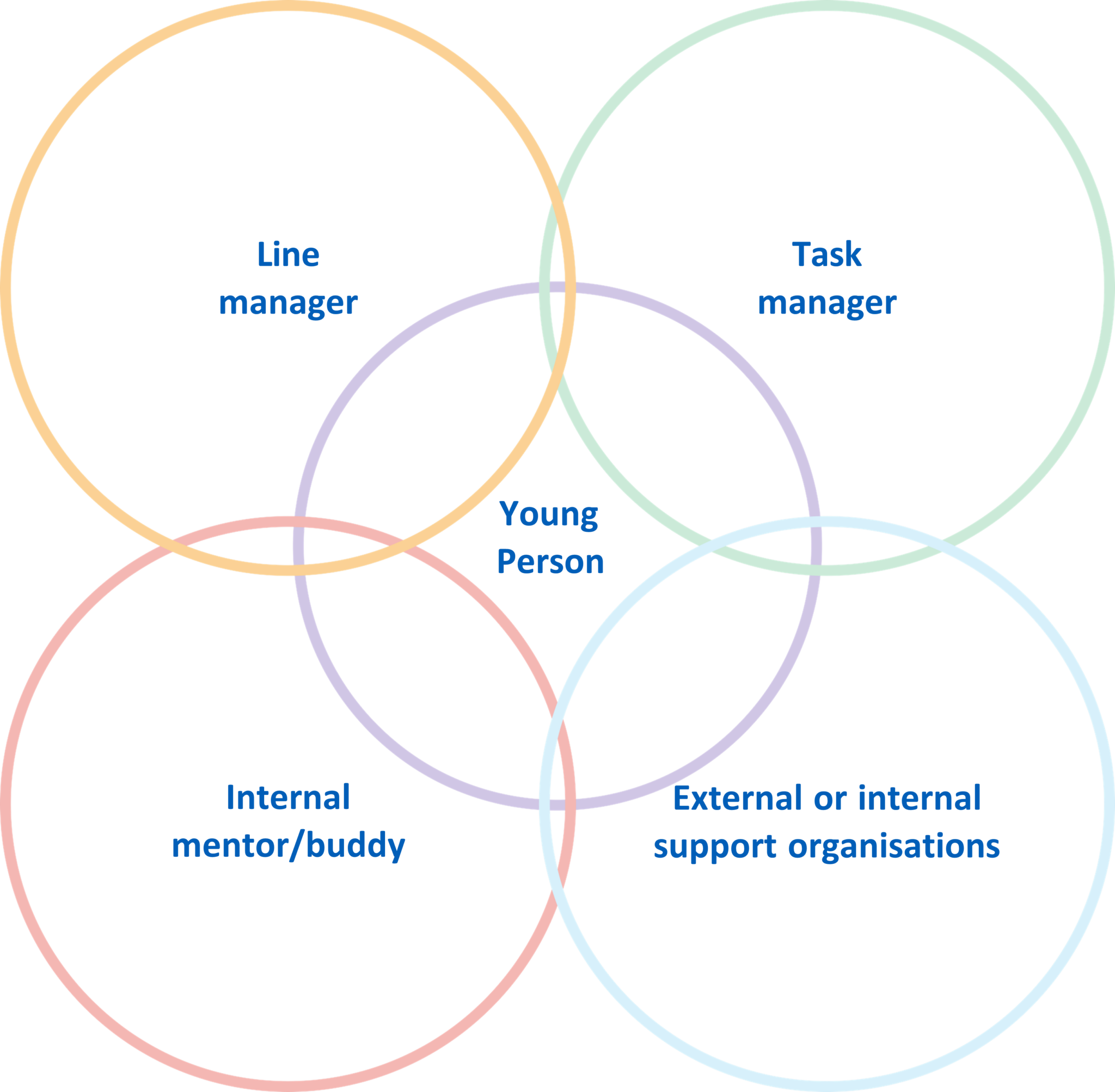
In NHS Birmingham and Solihull ICB, where James started his career, they’ve created a regular internal communication network with representatives who can deliver support, advice, and guidance on personal welfare, HR matters, recruitment, and inclusivity efforts.
The conventional NHS recruitment process—rigid and possibly overwhelming—has been carefully modified. Job advertisements now focus on personal qualities rather than numerous requirements. Applications have been redesigned to accommodate the specific obstacles care leavers might face—from not having work-related contacts to facing barriers to internet access.
Maybe most importantly, the Programme acknowledges that beginning employment can create specific difficulties for care leavers who may be managing independent living without the support of family resources. Concerns like travel expenses, personal documentation, and financial services—taken for granted by many—can become substantial hurdles.
The elegance of the Programme lies in its thorough planning—from outlining compensation information to helping with commuting costs until that crucial first wage disbursement. Even apparently small matters like rest periods and office etiquette are deliberately addressed.
For James, whose NHS journey has « changed » his life, the Programme offered more than employment. It provided him a sense of belonging—that elusive quality that emerges when someone senses worth not despite their background but because their particular journey enriches the organization.
« Working for the NHS isn’t just about doctors and nurses, » James observes, his expression revealing the subtle satisfaction of someone who has discovered belonging. « It’s about a community of different jobs and roles, a group of people who really connect. »
The NHS Universal Family Programme embodies more than an job scheme. It exists as a bold declaration that institutions can evolve to include those who have known different challenges. In doing so, they not only alter individual futures but enrich themselves through the distinct viewpoints that care leavers bring to the table.
As James moves through the hospital, his participation quietly demonstrates that with the right help, care leavers can thrive in environments once deemed unattainable. The embrace that the NHS has extended through this Programme represents not charity but recognition of hidden abilities and the fundamental reality that each individual warrants a family that champions their success.